• home
  • Collectables
  • About
  • contact
Menu

EYEMAZING

Keizersgracht 439
Amsterdam
0031617432795
gallery, book, magazine, photography, contemporary, visual artist, portrait, documentary, cutting edge, exhibition, artist, photo, picture, limited, featured, editions, collectors, museum, fine art, interview, publisher, monographe, book, biographie

Your Custom Text Here

EYEMAZING

  • home
  • Collectables
  • About
  • contact

David Hilliard

June 6, 2022 EYEMAZING

Through his sensual, multi-panelled panoramic photographs, David Hilliard tells stories—stories about desire, fathers and sons, masculinity unfolding, relationships that elude. This body of work, is his most autobiographical project; through a very tender, observant lens, he looks at his relationships with his parents; the anxieties of being a boy who doesn’t thrill at boyish things; the longing of a young man; and the mature awareness that we will all have to say goodbye to the people we love the most, no matter how hard we may embrace them now. With different focal points throughout and an almost tactile emotional sensibility, the photos portray a beautiful, richly nuanced world: one that Hilliard both perceives and invents through his narrative images.

Clayton Maxwell: Because your panoramic images are composed of three separate photos, they seem to embody the ever present tension between the individual and the collective, both in the actual structure of the images and in their content; the subjects often seem to be both alone and together. Can you tell me more about this?

David Hilliard: I’m really pleased that you made that observation. It’s always been important to me that my photographs, both in form and content, possess a bit of that “separation”. Each photograph represents “a moment”, yet together represent a continuum; a linear narrative of sorts. In the case of the work with my father (Rock Bottom) for example, I wanted to represent our similarities such as our shared genetic pool, our bluebird tattoos and a connection to nature…and maybe even a bit of discontentment. At the same time, we’re very different people. Which is why I chose to create that middle panel in the triptych that for me represents a kind of distance; a division of sorts. There’s a divide created by the distance in the water, the separation of the images, and the fact that the photographs are actually made at different moments. Yet there’s the mirroring of the clouds on the water, another uncontrollable parallel. I’m at once the best and the worst of him. I try to change what I can but remain helpless to control other aspects of our parallel lives. I can never fully separate or control my destiny. None of us can. It’s kind of like determination verses determinism. It’s my hope that the photo remains universal in its message.

CM: In your panoramas, you play with multiple focal points and depth of field, thereby directing the attention of the viewer much like a film director. How did this photographic device evolve for you? What do you think it communicates? What do you hope the viewer experiences?

DH: My early passion as an undergraduate was film making. I wanted to tell stories. Yet as much as I loved film and video I was continually left slightly disappointed at its inability to linger and stare in quite the same way that a photograph could. I also have to confess that I was at times a bit overwhelmed by the expectations to say something larger in a film. I was taken by a photographs ability to depict slices of topics that I was interested in talking about; each one being a sentence of sorts. Yet I wanted to challenge the static nature of the photograph by linking them together and activating them; playing them off of one another. So I then began making linear panoramas with a view camera. I began using it in much the same way I was using the video camera…moving across my subject matter, shifting the focus from image to image and displaying the photographs side by side. It was as if I found a way to take the best of film and photograph and join them together in a kind of hybrid studio practice. I was also excited that I could, within one piece comprised of various images, possess a still life, a portrait and even a landscape. It’s a bit decadent.

CM: Your images feel narrative, as if we are stepping into stories with beginnings and ends we can only guess at. Does each of these images gesture towards your own personal stories? If so, I’d love to know more. For example, Water Breaking and Hope both show fathers and sons out on an adventure; they carry the tone of father instructing son in some manly pursuit. Do these connect to a childhood memory for you?

DH: The images do have beginnings and ends of course. Some are more resolved than others; some illustrate, others joke, while another might be a lamentation of sorts. In my newest body of work, Being Like, there are quite a few father and son images. There are images of myself with my own father. In one we’re hugging. In another we’re worlds apart. Images such as Water Breaking and Hope were made while I was working on a project in Alaska and found myself continually confronted by fathers and sons together in the landscape. It may have been my state of mind at the time; I was travelling alone for quite a few days and the constant dad/boy sightings began to work on my psyche in some strange way. These men were teaching their boys to hunt, fish and do all other kinds of stuff that I never really wanted to do or was pressured to explore. I noticed that some of the boys seemed to be enjoying it more than others. Water Breaking shows a really young boy almost hiding behind his father while birds and fish go crazy in the water and starfish surround them on the beach. They both appear taken aback by all that’s happening. In Hope, this sweet boy holds a handful of halibut fish yet appeared miles away for the potential joyful experience of having caught so much. He reminded me of myself, so many years ago, just trying to get through certain expected rituals so that I could go off and to the strange and wonderful things that I truly wanted to do. Of course, this is all my own baggage that’s running through my mind as I’m looking at them through my camera. Who knows why the boy looks the way he does. That’s what I love about a photograph…it tells and it asks at the same time.

CM: What’s going on in Paul Coerced? He looks like he is walking home from some wild black tie party in the country, the title, his beauty and his state of undress suggesting that perhaps he was coerced into something sexy. What’s going on here?

DH: It’s funny, I made that photograph as part of a project for a charity fundraiser. I selected the model, Paul, from the Ford Modelling website. He not only was beautiful but also possessed a sullen quality that I was really taken with. I later found out that he was only 17 and just starting out as a model. The night before the shoot he had gone to his high school senior prom in Escanaba Michigan. The next day before his journey to the Detroit area where the photograph was made, his mother called me and asked if they (his parents) should throw his tuxedo in the car as well. I loved the idea, I loved that his mother was collaborating with me and that poor Paul had to get up the morning after his prom and model. It was all too strange. In the end I feel I made a pretty sexy image of a young man, potentially post coital and beaten (he’s got a split lip and blood drop on his torso) who was perhaps forcibly ousted from his dates home…or something like that. Again, I want it to be an open-ended narrative. It was my first time working with him. I’ve since returned to Michigan and travelled up to Escanaba to work with both Paul and his family. It’s a pretty amazing place and I’ve been lucky enough to have been embraced by his family and allowed in. Access is always a gift.

CM: Are there any other back-stories about your photos you’d like to share?

DH: I’ve probably told you too many already. I will say this. I do love that each photo I make seems to possess some kind of back-story that exists independently from what the photograph actually represents. I love “the event” of making photographs. I’m usually at my happiest when I creating something that feels smart and resolved in general. I think every artist has these experiences.

CM: So many of these images feel drenched with the desire for connection and intimacy, be it emotional or sexual, but a desire unfulfilled. That sensibility is particularly strong in images like Boys Tethered, Sought, and Rock Bottom. Why is this a prominent leitmotif?

DH: In this case maybe it’s not that complicated. I think that many of us, myself included, are continually searching for “something”, be it love, friendship, community, family, sexual fulfilment or material gain. As a gay man, much of my life, especially in my early years, was spent searching for an identity that was acceptable to both society and myself. Sex has always been complicated and often dangerous. It goes without saying that often times when we finally get what we think we need…it leaves wanting for more. It’s our nature.

CM: Hug, on the other hand, is one photo in this series that shows physical contact between the subjects—the distance between people is physically bridged for a moment. Would you consider that photo a departure from the others in this series?

DH: Maybe within this series. I’ve made plenty of photographs that depict physical connections. But you are right in the case of this newest work, in pointing out that for the most part subjects are often alone or disconnected. In Hug I made the conscious decision to create a moment where I’m actually holding on to my father. In recent years his health has been a bit shaky and it occurred to me that I never really made a photograph where I’m holding him…and I’d be remiss if I didn’t and one day he was gone. To be honest, although we’re hugging, the photo is really about my being alone. It’s a pretty sad image.

CM: Your father is the man in Rock Bottom with the bird tattoos on his chest. He has been a subject in your photographs over many years. Is it really odd to work with your dad, particularly in a state of undress? Do you think that the physical act of photographing someone can help create the intimacy that so many of the characters in your images seem to long for?

DH: It’s not odd at all to work with my father. It’s actually something that we both quite enjoy and take quite seriously. It’s intimate for sure, but we’ve never gone past our underwear…that might get awkward. Yes, in the earlier years, especially while I was a graduate student, my father didn’t quite know what to make of my desire to depict him so obsessively. But he did it. The guy loves me and bottom line is that he’s always wanted me to be happy. He doesn’t always understand who I am and my decisions in life, but he’s in the game with me and supports me for the most part. He’s still amazed that anyone would ever be interested looking at, let alone purchase, a photograph depicting his life. Ultimately I think he’s flattered. We don’t really have many deep conversations around the subject. The day we made the photograph Rock Bottom it was very cold; one of the last days before the leaves changed colour. We were in Maine and it was pretty cold. I desperately wanted to make this photo and he knew it. The man sat in the water, on a lumpy rock, for way too long while I fussed with my equipment. In fact, he kept telling me to slow down so I don’t f--- up the picture. He wanted me to get want I wanted. I made his portrait and then he had to stand in the water and make multiple portraits of me. It was a true collaboration. I’m really glad to have made this picture. Over the years making pictures with my father has been a very personal and intimate father and son activity that for sure has been meaningful. It has brought us closer together.

CM: There are several images, like Mary Remembering and Lickety Split, that seem less about longing and more about the activities and nostalgia of old age. Why have you been drawn to photographing the elderly?

DH: It’s not so much about my desire to embrace the geriatric crowd but rather a newer project where I’m photographing my mother and her community down in Florida. My parents divorced in the 1970s and have since taken very different paths in their lives. My mother is a born-again Christian and it’s taken me many years to get my mind around that and begin to make pictures. It’s obviously quite difficult due to the fact that the very nature of who I am is counter to her spiritual belief system. We love one another…yet there’s so much that’s wrong. Much of this work is Florida is about what remains unspoken. Outwardly the work is playful and colourful. But in actuality it’s heavy and dark. They’re some of the hardest pictures to make. I feel very disconnected in those moments.

CM: Do you feel like your work has a particularly gay content? There are beautiful men, and there is longing and attraction between them, is that enough to categorise the work as gay? Are such categories useful?

DH: Yes, gay content for sure. I hope you noticed that! And yes, there are beautiful men…yet there are also not so beautiful men. But I find them all beautiful. I would argue what unites them is how they’ve been photographically rendered. I am interested in beauty and where it’s found. Sometimes it exists in the world and sometimes I make it. Or both. In some of the photographs I depict men I love, have loved, could never love, never have, never be, etc. Yet I don’t know if I feel comfortable categorising the work as solely gay. Although I’m a gay man that’s not all I am. It is important for me that the viewer is aware that my imagery, all of my imagery, has been made through the lens of a gay man. This does inform the entire body of work and is ultimately my biggest political statement.

TEXT BY CLAYTON MAXWELL

©picture: David Hilliard , courtesy Yancey Richardson Gallery, NY

Photography Exhibition

March 25, 2022 EYEMAZING

Teun Hocks

March 15, 2022 EYEMAZING

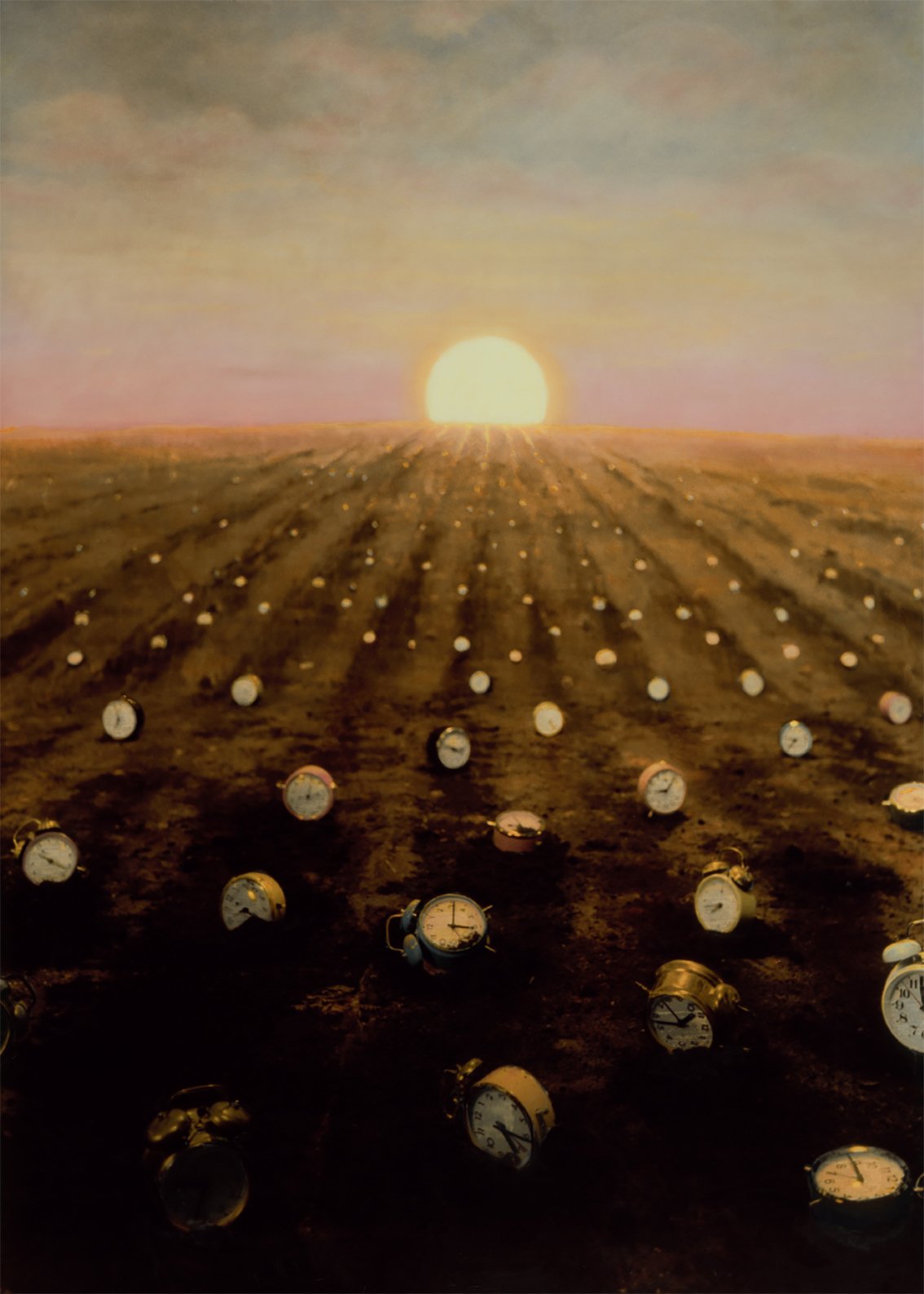
©picture Teun Hocks, Untitled/Zonder Titel, 2007 , Oil on toned gelatin silver print/olieverf op getinte zwart-witfoto,170 x 130 cm, 3 versions

Heather Snider: How would you describe the connection between the real world and the world in your imagery?

Teun Hocks: I do not see the world around me like that, but the exaggerated world I make up in my work helps me to tell the story the way I want to tell it. But sometimes the real world is even stranger and can give me ideas for new pieces.

HS: Some of your images seem to be pointed metaphors for the human condition, while others feel more like open-ended depictions of dreams or fantasies. Would you agree? Or do you see your work as a combination of both, or something else entirely?

TH: I agree, and sometimes I hope it is a combination of both.

HS: How conscious are you of the underlying meanings in your work?

TH: I choose to leave my works untitled because I would like the spectator to have his own thoughts, make his own story and fantasy about what is seen.Those are not necessarily the same thoughts that I had when making the work.

HS: The main character in your work has often been described as lonely or isolated, but it seems that viewers connect to the situations your “everyman” is experiencing, so that your work is more about shared humanity than isolation. Do you agree? Or do you feel that isolation is at the core of human experience?

TH: Difficult question; I tend to agree with both views. It would at least be nice if there were some consolation for the viewer in my work, but that’s never on my mind when I’m working.

HS: What do you hope the viewer will gain from your work?

TH: Not much, a smile, maybe a good feeling.

HS: What emotional or psychological impulses do you work out for yourself by bringing these images into existence?

TH: I wish I knew exactly what is needed to do that; I probably could make more work.

HS: One of the works featured here, depicting a field of alarm clocks (217. Untitled/ Zonder Titel, 2007) is unique in not having the main character that features in almost all of your work. Can you tell us about this piece?

TH: It’s a challenge for me and I always like to come up with a piece in which I don’t need to appear. It is not the first time that I’ve done this, it hasn’t happened very often. This one started with a drawing that kept appearing in my sketchbooks until I felt it was strong enough to make a work out of it. It is not so easy to explain exactly what attracted me in this drawing. Of course one of the things that came to my mind here is the contrast between the extra sentimental sunrise on the quiet land and (on a second glance) the growing alarm clocks that refer to all the things that have to be done.

HS: Because you use yourself as your model and main character, the process of your own aging appears in your imagery. How do you see age or aging as an element of your work? How do you feel that your art, your ideas, and yourself have evolved over time?

TH: Making my first pieces, I never realised that aging would later play a part in my work. Now I feel my aging is something that works in my favour, it makes the images more serious, and more ridiculous also. Apart from my thinning hair, it is difficult to see for myself how my art, my ideas, have evolved over time. To know that, I think one needs a lot of distance. Of course, I hope my work has evolved but when I’m starting on a new piece I always feel I’m starting from scratch.

Text by Heather Snider

The MAST Collection Exhibition

February 14, 2022 EYEMAZING
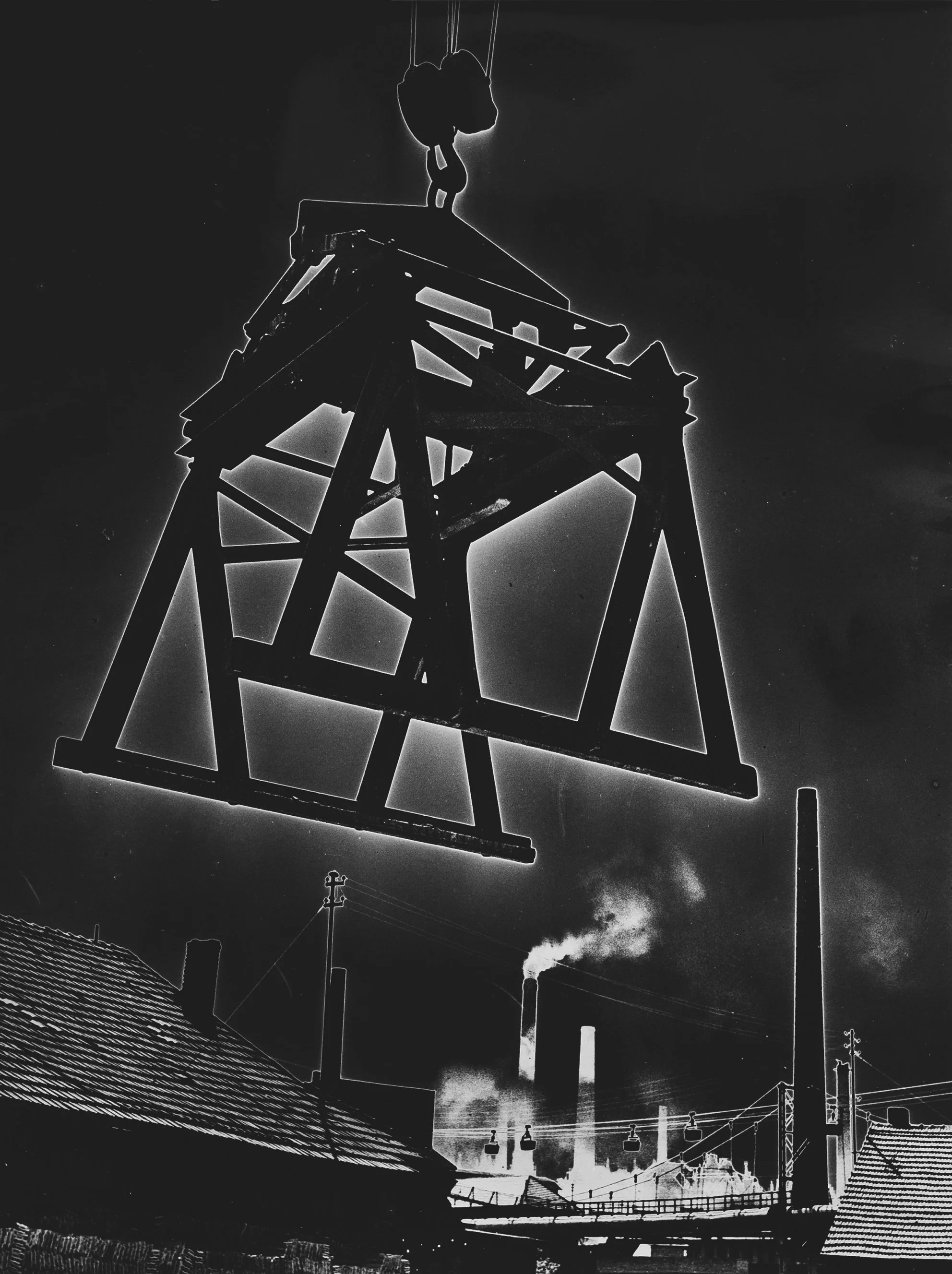
17. CESAR_DOMELA_Ruths steam accumulator.jpg
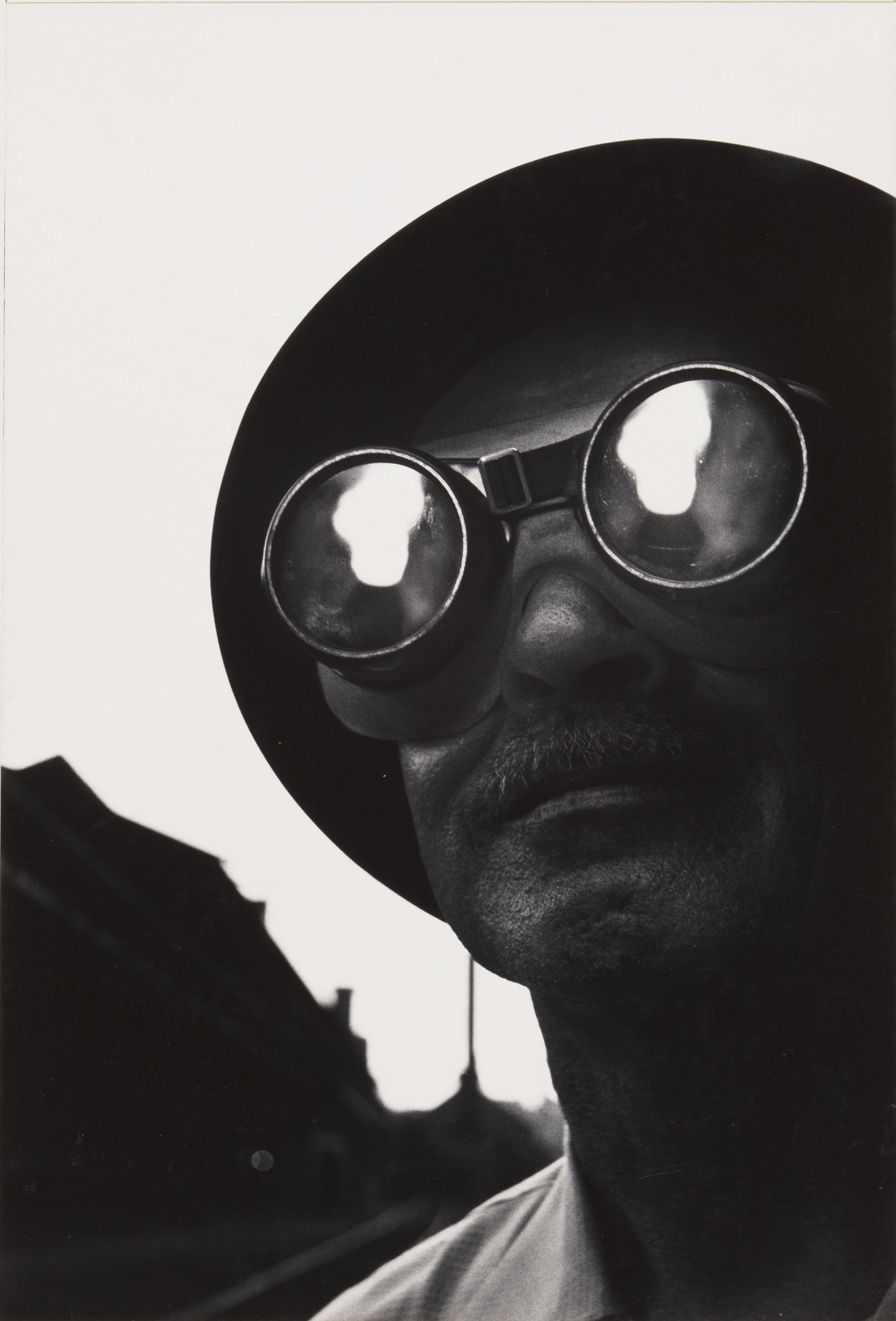
13. W. EUGENE_SMITH_Steelworker with goggles, Pittsburgh.jpg
17. CESAR_DOMELA_Ruths steam accumulator.jpg 13. W. EUGENE_SMITH_Steelworker with goggles, Pittsburgh.jpg

Through 22.05.2022

Fondazione MAST, Bologna, Italy

www.fotoindustria.it/en

Fondazione MAST presents, the MAST Collection, a Visual Alphabet of Industry, Work and Technology, the first-ever exhibition of works selected from the Foundation’s collection, showcasing over 500 works, including photographs, albums, and videos from 200 great Italian and international photographers, as well as anonymous artists, curated by Urs Stahel. Some of the artists on display include Man Ray, Dorothea Lange, Sebastiao Salgado, Max Alpert, Gabriele Basilico, Gianni Berengo Gardin and Henry Cartier-Bresson. The exhibition also documents the technological progress and analogue efforts of both the industrial world and photography.

©MAST Foundation

Image credits: 1-W. Eugene Smith, Steelworker with goggles, Pittsburgh, 1955, W. Eugene Smith/Magnum Photos* 2-Otto Steinert , Saarland, Industrial Landscape 3, 1950, Estate Otto Steinert, Museum Folkwang, Essen

Euro Rotelli

January 14, 2022 EYEMAZING
1.jpg
2.jpg
3.jpg
4.jpg
5.jpg
6.jpg
1.jpg 2.jpg 3.jpg 4.jpg 5.jpg 6.jpg

Permis de demolir Exhibition

Through April 21, 2022

MSH Paris Nord, 20 avenue George Sand, 93210 La Plaine Saint-Denis, France

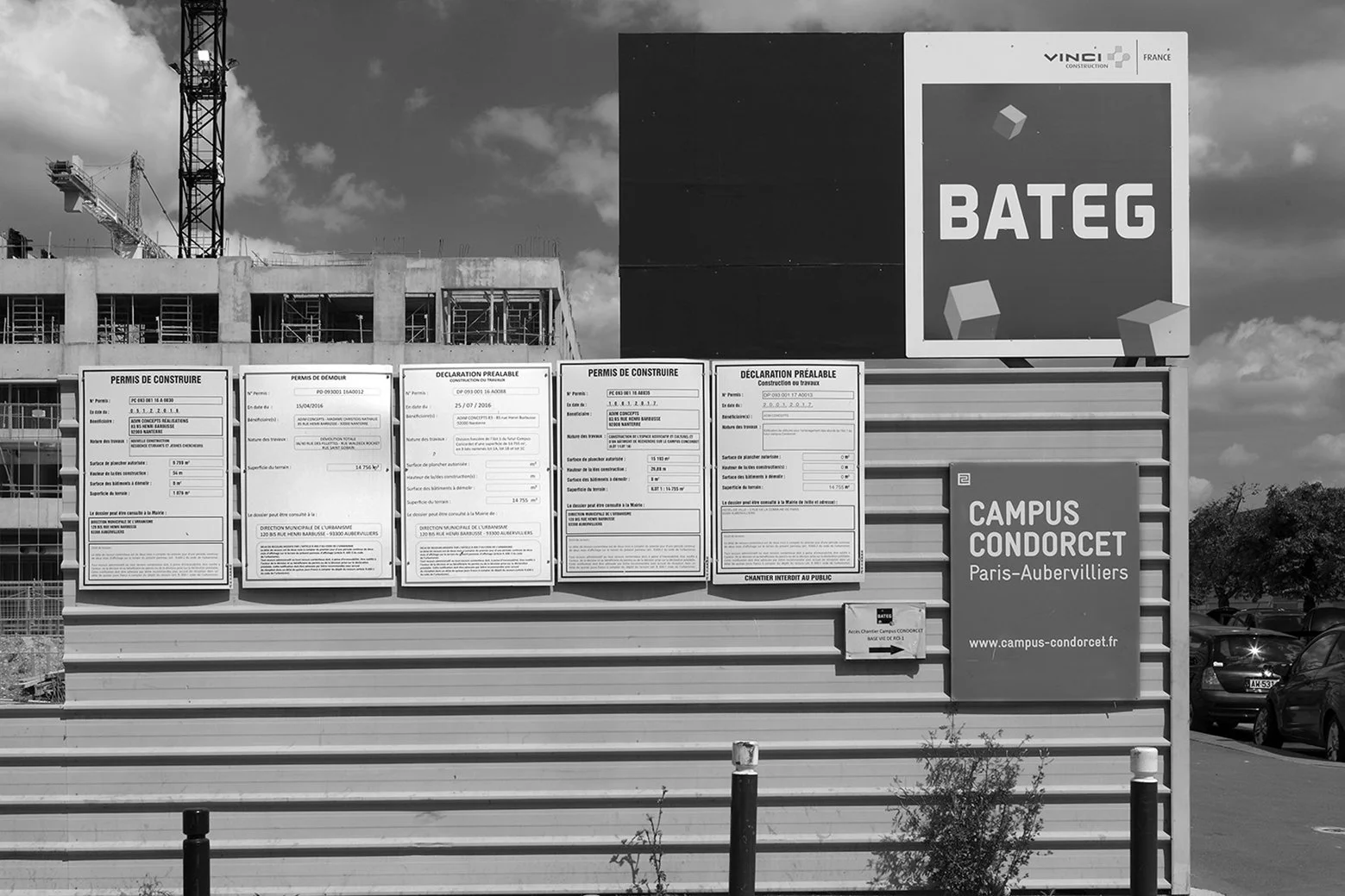
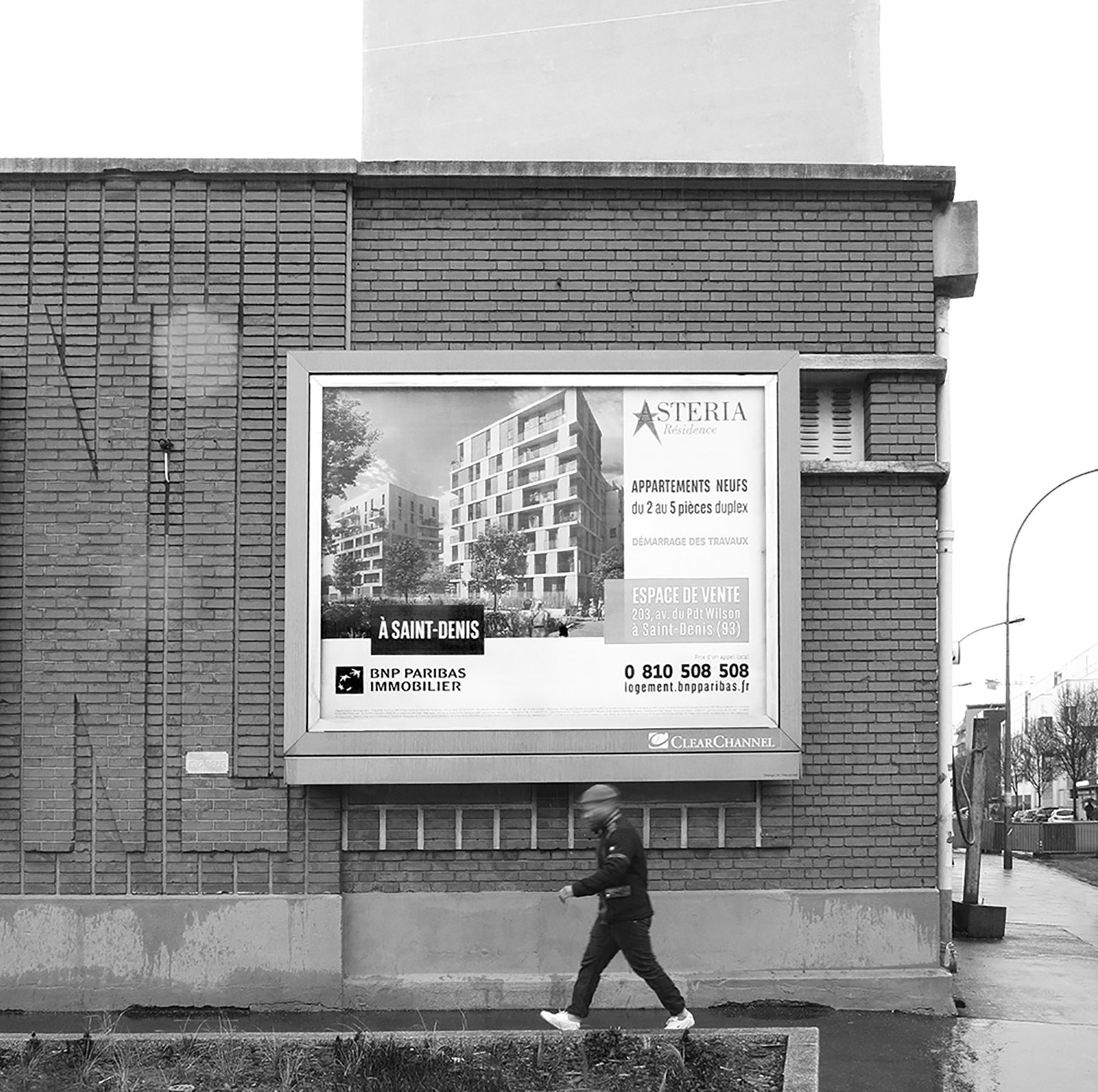
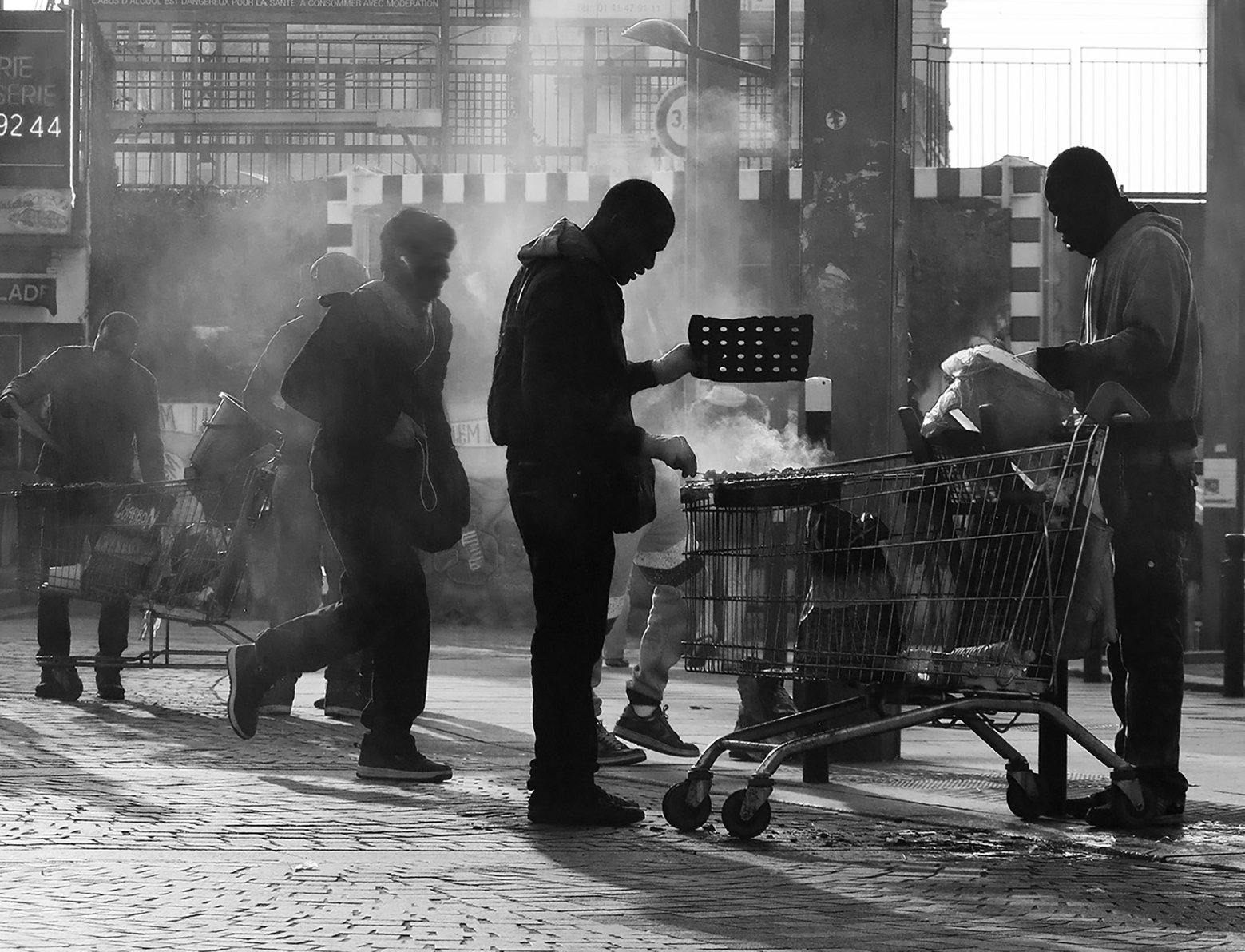
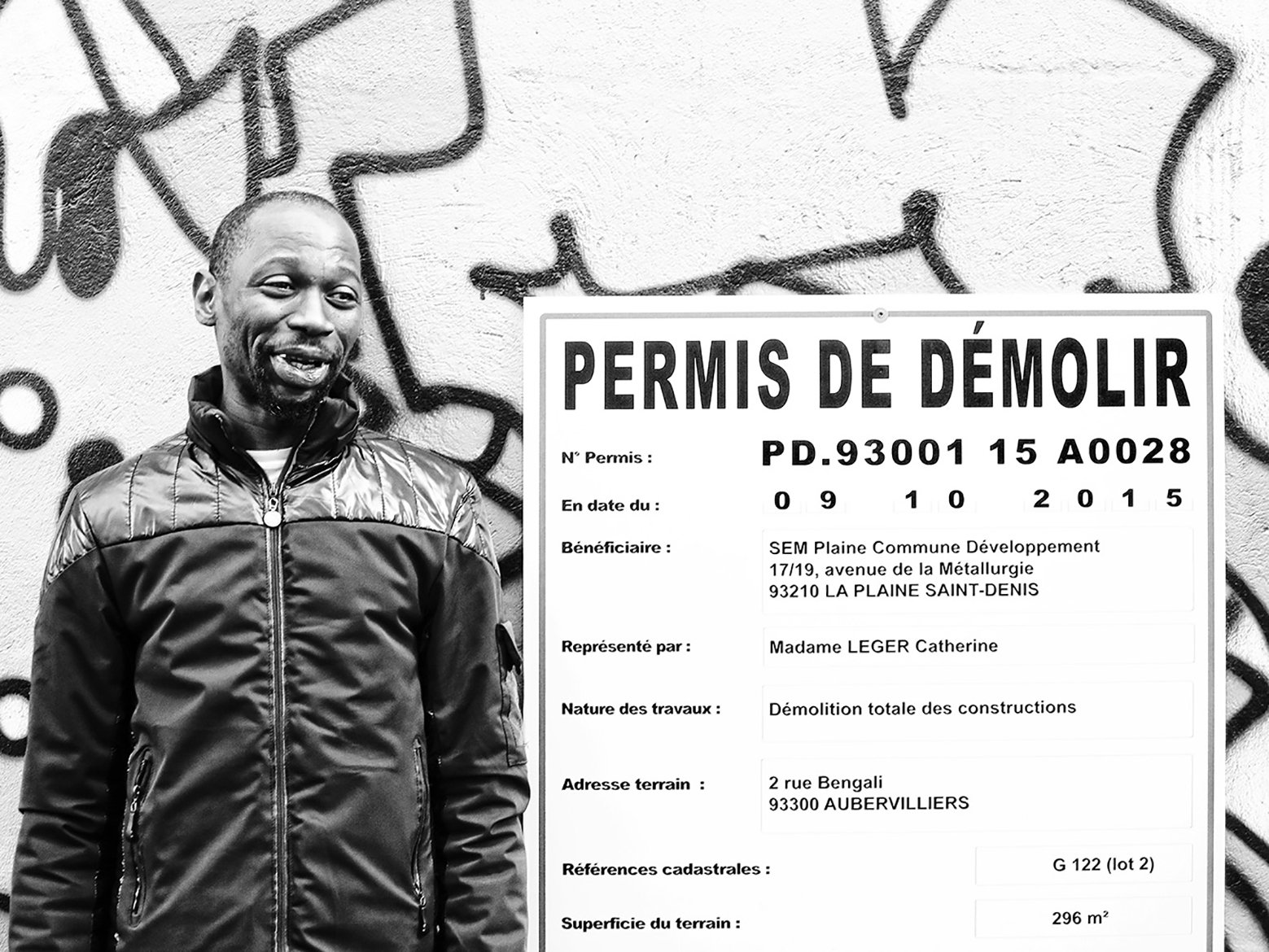
For many years, Euro Rotelli had the need to express his feelings and emotions towards the phenomenon of immigration through photography. Not wanting to make a display of suffering and tragedy but more of hope and a successful living together. His new project started when an architect friend who lived in Paris suggested him to visit Saint-Denis and Aubervilliers, two districts that were protagonists of a phenomenon of constant change and movement.

During his visit what stroked the artist most was not only the people he was able to meet or the partly demolished houses he could visit but rather the over-exaggerated numbers of signs of “PERMIS DE DÉMOLIR” that were placed on the houses and everywhere on the streets.

Demolition Permit?The demolition of the houses? Demolition of the individuals? Demolition of their identities?

Most of Rotelli’s photos are made in Landy, which is probably the area the most affected by this phenomenon of demolition and which historically has been at the center of industrial life in the twentieth century Paris. Walking around with his camera, Euro Rotelli has caught succesfully for us to see moments of Nostalgia, the heavy feeling of exile and the anxiety of the newcomers accompanied by their excitement for a new life.

©All images Euro Rotelli

www.eurorotelli.com

Edward Steichen

December 1, 2021 EYEMAZING

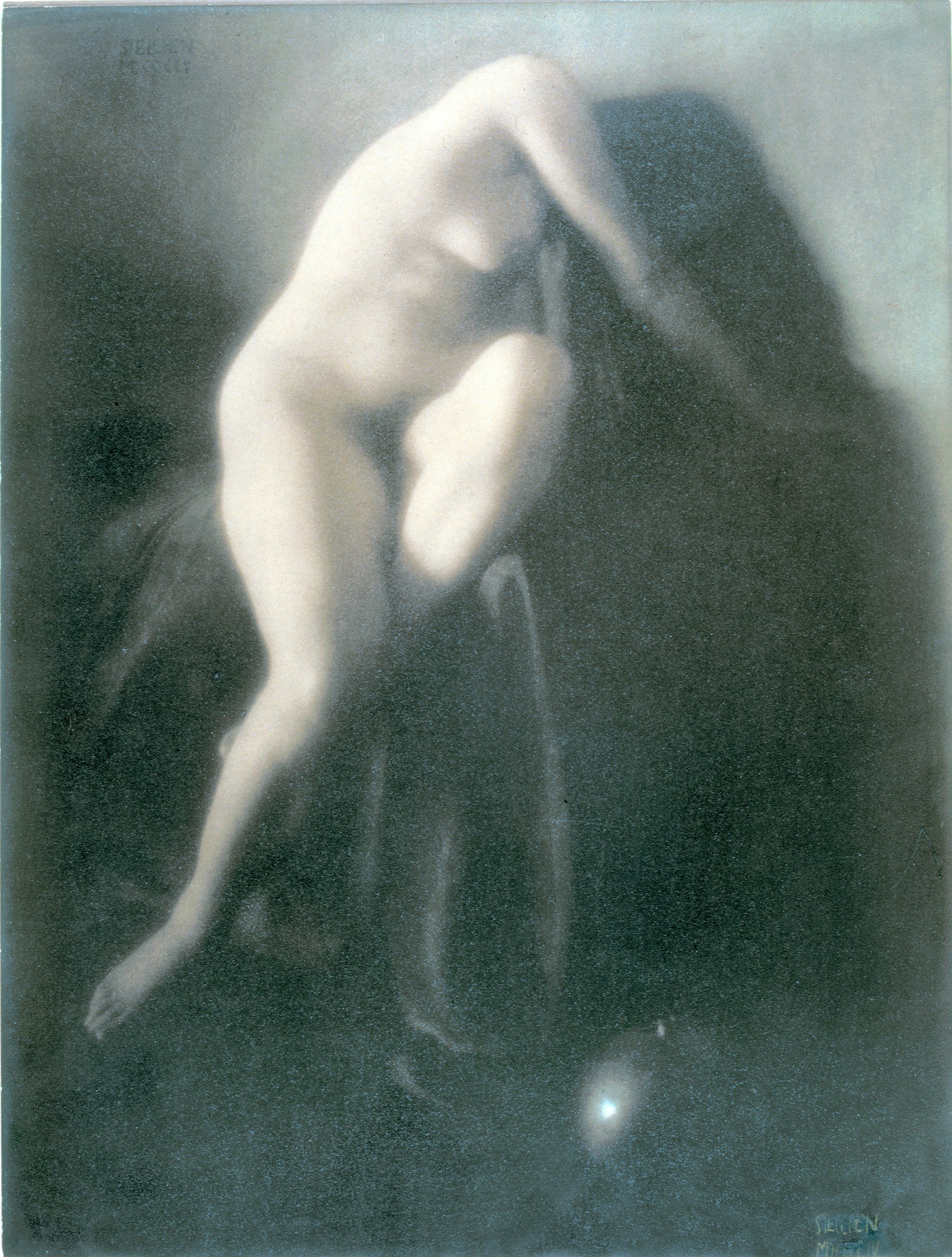
Memoria, 1904, Courtesy musée d’Orsay Paris, ©Joanna T. Steichen

Edward Steichen (1879-1973) was a pioneering photographer, and probably the most versatile and prolific of his era. His subjects ranged from portraits and landscapes, to fashion and advertising, to still-life and war photography, and to dance and sculpture. His manner of handling his multi-faceted career was considered radical and controversial, and laid the foundations for how contemporary photographers crisscross the fields of editorial and advertising today.

Born in Luxembourg, Steichen immigrated with his family to the US when he was a baby, and then spent his early adulthood in Paris, where he became part of photography’s pictorialist movement. His work was published in Alfred Stieglitz’s quarterly reviews Camera Notes and Camera Work in New York.

Steichen even designed the cover, layout and typographical logo for the inaugural issue of the latter, and his logo appeared on the cover of all 50 issues.

After moving to New York in the 1920s, Steichen became Chief Photographer for Condé Nast Publications, defining the modern look of fashion and celebrity photography at Vogue and Vanity Fair. Following four decades of working as a photographer, Steichen turned his hand to curating, becoming the Director of Photography at the Museum of Modern Art in New York. His groundbreaking, travelling exhibition, The Family of Man, which opened in 1955, has been hailed as the greatest photography exhibition of all time. Featuring 503 pictures by 273 photographers from 68 countries, it belongs to UNESCO’s World Register for archive holdings and library collections, and is on permanent display at the Château de Clervaux in Luxembourg. UNESCO describes the exhibition as a “cult object” and “one of the major cultural creations” of the 20th century.

Text by: Anna Sansom

Joel Simpson

September 22, 2021 EYEMAZING
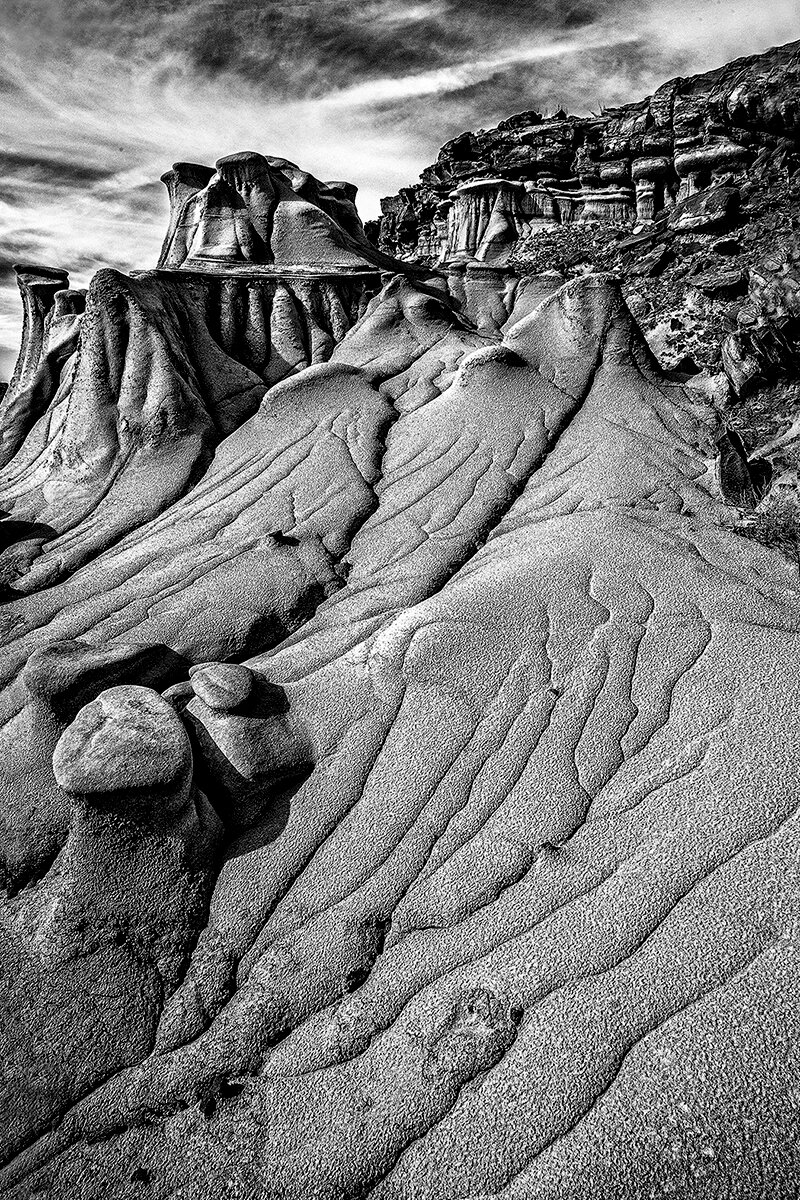
1.Simpson_Approach.to.the.Castle_Bisti.Badlands.MR.jpg
3.Simpson_UnrealCity_Bisti.Badlands.MR.jpg
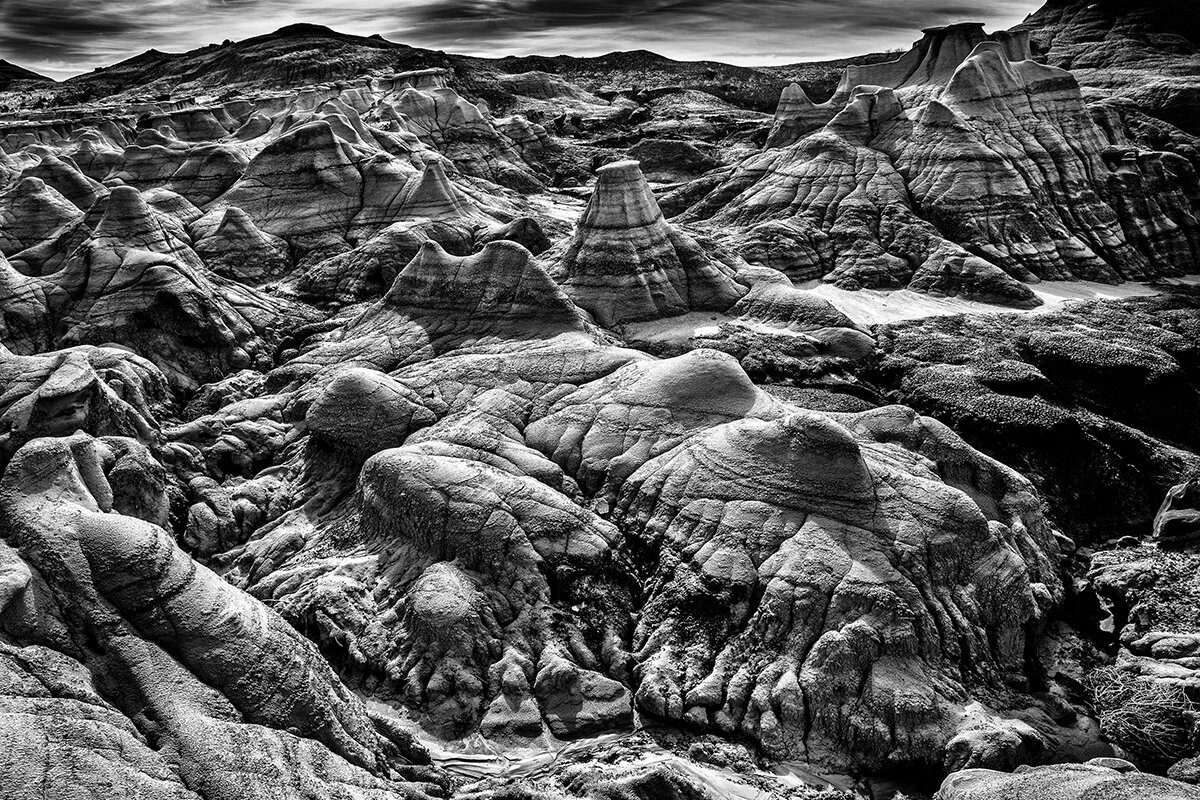
4.Simpson_Palimpsest_Bisti.Badlands.MR.jpg
8.Simpson_Intra-Terrestrial_Crack-Ground.MR.jpg
1.Simpson_Approach.to.the.Castle_Bisti.Badlands.MR.jpg 3.Simpson_UnrealCity_Bisti.Badlands.MR.jpg 4.Simpson_Palimpsest_Bisti.Badlands.MR.jpg 8.Simpson_Intra-Terrestrial_Crack-Ground.MR.jpg

Geological Art Photography

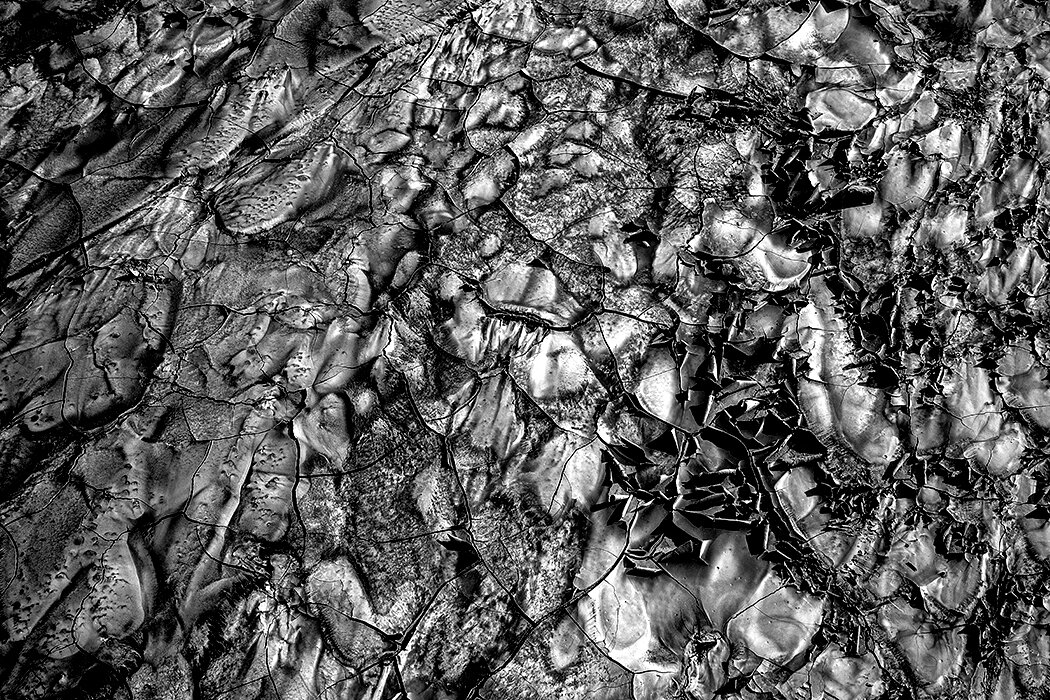
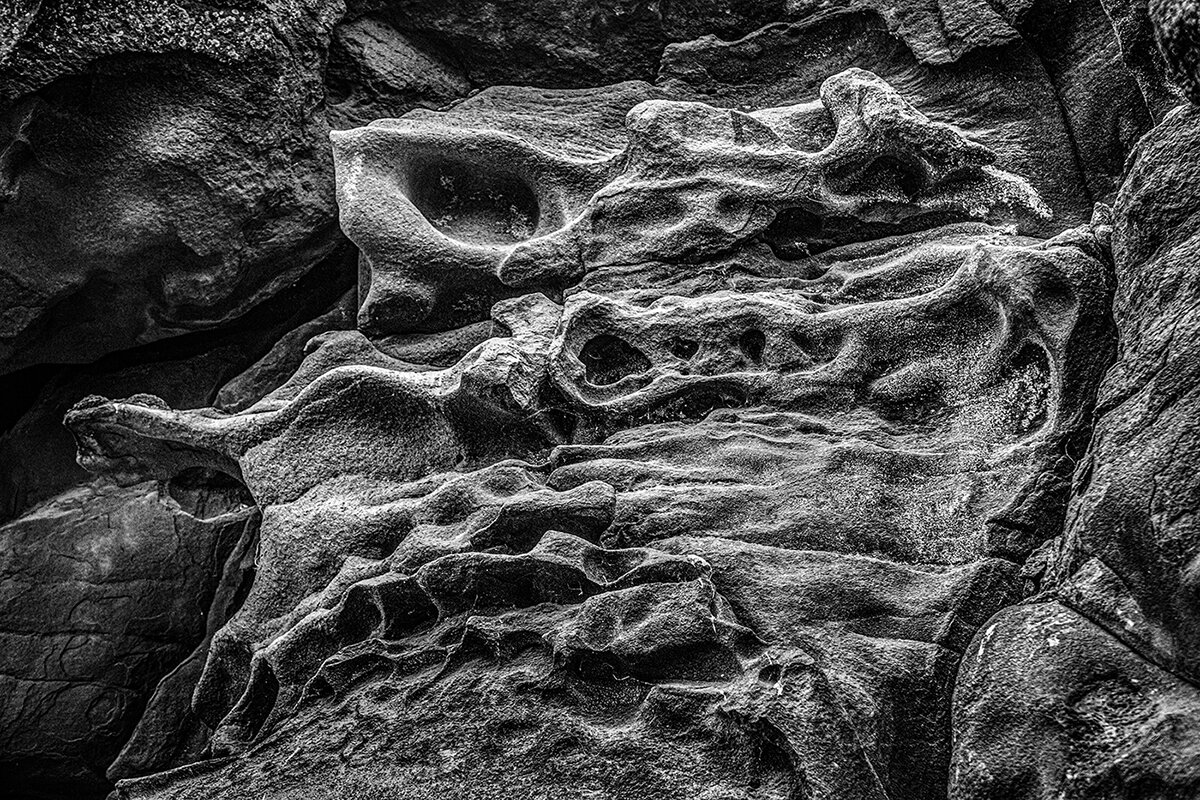
Joel Simpson’s work moves away from standard landscapes—sky above, earth below, illusion of perspective, all-important quality of light—to create strong images from rock formations: rock surfaces, cave formations, and natural sculptures. The appeal is similar to that of Surrealist and Abstract Expressionist painting. There are three types:

Rock surfaces, short-field captures (“miniscapes”), unlike conventional landscapes, are flat-picture plane images, possessing relief but lacking perspective and [mostly] excluding sky. Without a sense of place or virtual depth, they invite the viewer to imagine visual associations in the configurations (pareidolia), similarly to the work of late Surrealists, such as Roberto Matta, and Abstract Expressionists such as Willem de Kooning.

Earlier examples of this kind of approach may be found in the work of Aaron Siskind, Minor White, Andreas Feininger, Ernst Haas, and Heinz and Elizabeth Bertelsmann among others, but none of them seem to have traveled extensively in search of of unusual formations, as Simpson has been doing for over a decade.

Cave formations draw on the same principles, but they tend to be three-dimensional so usually include more depth. There is no sky and often no sense of place.

Natural sculptures are discrete rock formations. Their images generally include sky and setting, but the focus is not scenic, but rather on the formation. The same invitations to the viewer’s imagination apply as above.

Text by Joel Simpson

Publication: Recent book by Joel Simpson, Playgrounds for the Mind: The Art of Geological Photography (2021) is completely devoted to geological art photography. Many of these images may also be found on joelsimpsonart.com. Samples of such images may also be found in Joel Simpson’s 2019 Nautilus-Gold-Award-winning book Earthforms: Intimate Portraits of Our Planet (earthforms.net).

Exhibition: 23-26 September 2021, Other Art Fair Presented by Saatchi Art in Los Angeles https://www.theotherartfair.com/la/

www.joelsimpsonart.com

Safe and happy summer!

July 5, 2021 EYEMAZING
© Miroslav Tichý / Foundation Tichý Ocean, Courtesy Foundation Tichý Ocean, www.tichyocean.ch

© Miroslav Tichý / Foundation Tichý Ocean, www.tichyocean.ch

Alnis Stakle

June 3, 2021 EYEMAZING
Alnis_MA_15.jpg
Alnis_MA_17_360dpi.jpg
Alnis_MA_15.jpg Alnis_MA_17_360dpi.jpg

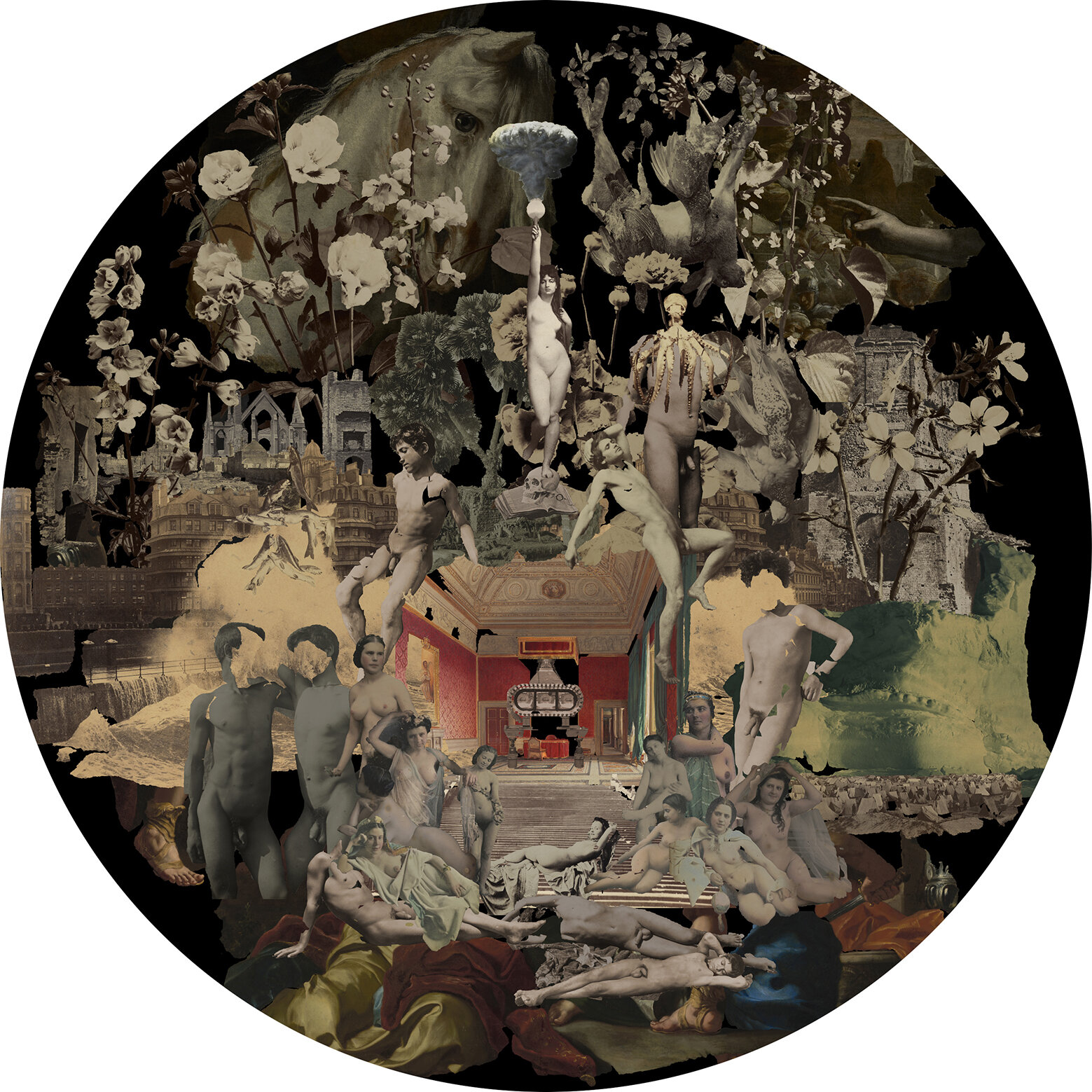
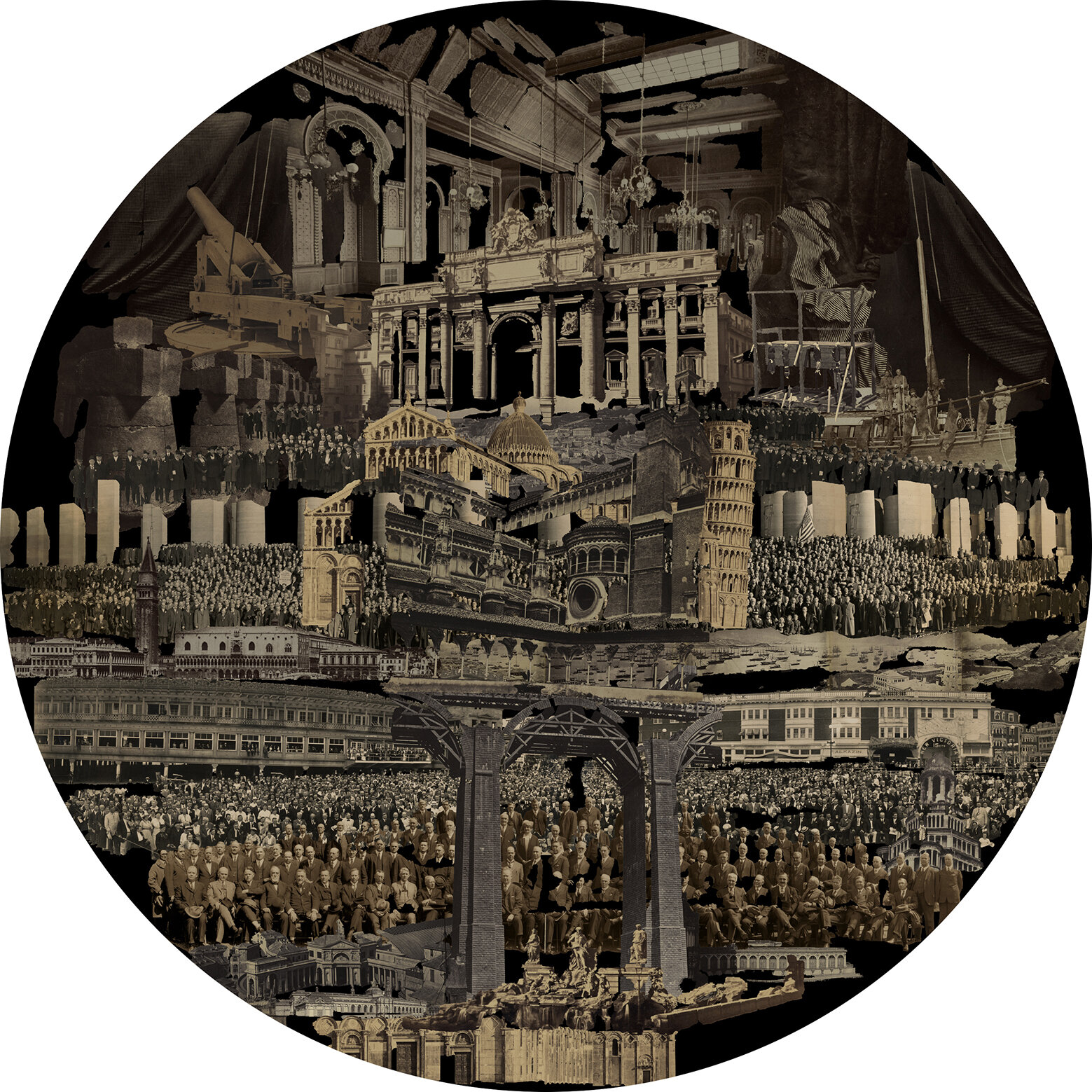
Interested in the fate of the canonised artistic, scientific and journalistic images and their potential to embody contemporary meanings, for in in my new series of collages titled Mellow Apocalypse, I have used images from open source collections of art museums, scientific institutions and various image banks whose archives may be considered iconic testimonies of the present and the past.

The collages are grounded in my search for syntactic visual language connections in the images pertaining to various periods, media and domains of the visual culture. The collages make use of the ideas and technical codes established in the visual communication that transcend the borderlines of ages, media and cultures. The codes that are so deeply engrained in culture that they are used without thinking and are understood through pre-existing schemas in the recipients’ minds.

Although the decoding of images depends on the recipients’ interests, values, convictions and wishes, yet the globalised world of the visual culture is oversaturated with simulacra where the feminine and the masculine, the other, the desirable, the repulsive and the beautiful is depicted through the use of similar ideas and technical codes in different epochs and various media. These syntactic connections across various periods of visual culture and different media are traceable in persons’ postures and gestures, in colour stage designs and similar outlines of objects and architecture. The technical execution of the collages is based in the image post-processing software algorithms, letting them overtake the accuracy and precision of image depiction. Thus, the digital post-processing technological features become a part of the collages’ notional and technical code.

©All images Alnis Stakle

Archival pigment ink prints on rag paper, mounted on dibond, framed in custom shaped frames. 100 x 100cm (2021)

www.alnisstakle.com

Paul Biddle

May 2, 2021 EYEMAZING
Fred-Conquest-and-Jemima-The-Goose.jpg

"I found an old photograph of Fred Conquest and Jemima the Goose in a junk shop and bought it at once, I googled his name and it turned out that he was an animal impersonator in the early 20th century and it fired my imagination. So I turned him into an Island - in my series Fantasy Islands.

It’s deliberately a bad cut out to give it more of the feeling of cut and paste collage. I tore the shape of the goose from a German newspaper, Die Welt, to mimic Dadaist artists like Hannah Höch and George Grosz. I added some feathers and a few vegetables and fruit, echoing a still life composition. I photographed the assemblage over head in my studio and composited it on a sea background and added a reflection.

This series is about the Archipelago of Fantasy Islands which were discovered long ago by the fictional character, explorer and collector,Count Muldivo Mentor”.

Paul Biddle

www.paulbiddle.com/portfolio/fantasy-islands

Alice Springs

April 12, 2021 EYEMAZING
June_Neuton_01.jpg
June_Neuton_02.jpg
June_Neuton_3.jpg
June_Neuton_04.jpg
June_Neuton_01.jpg June_Neuton_02.jpg June_Neuton_3.jpg June_Neuton_04.jpg

In memoriam: June Newton a.k.a Alice Springs (1923-2021)

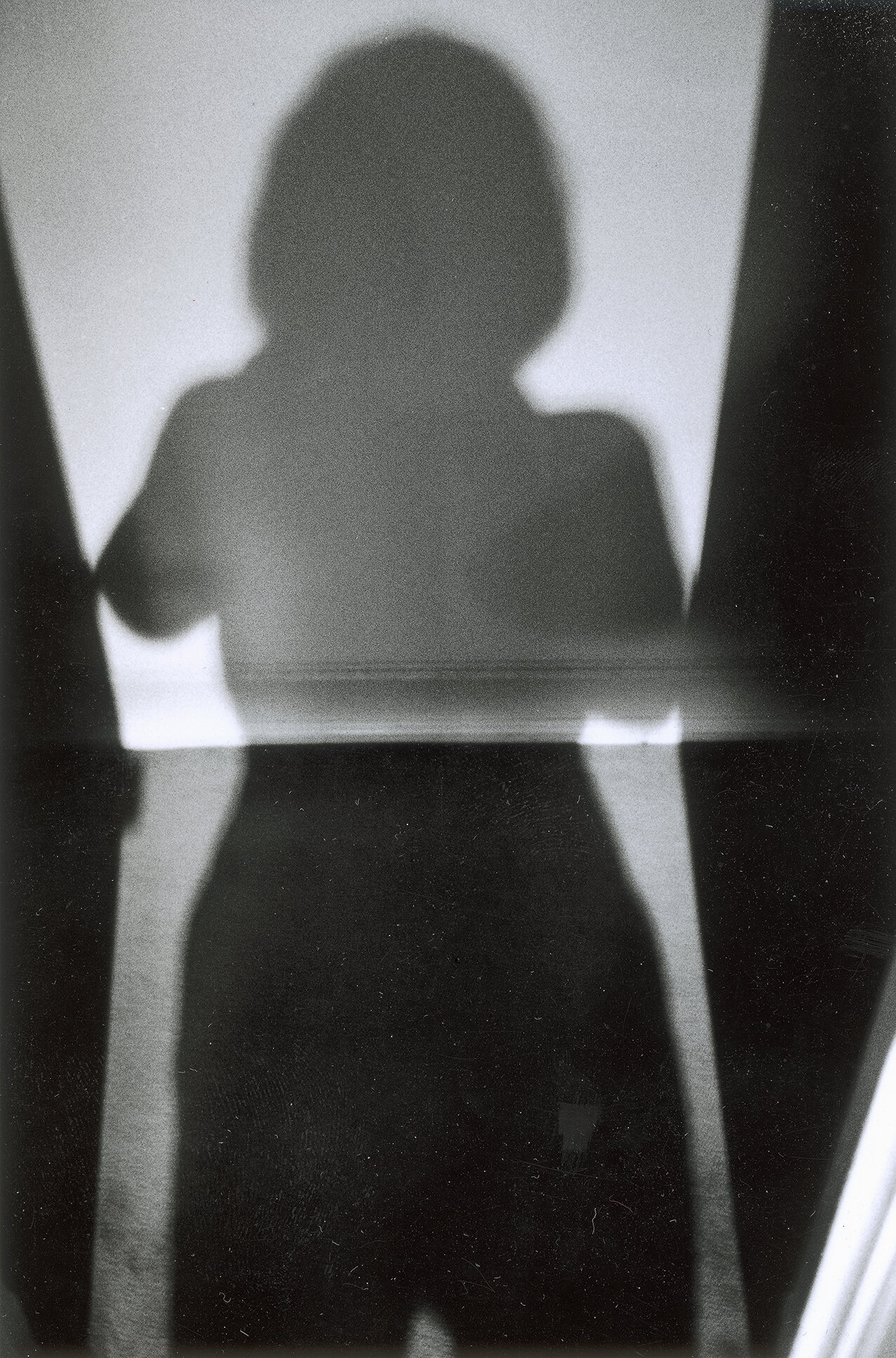
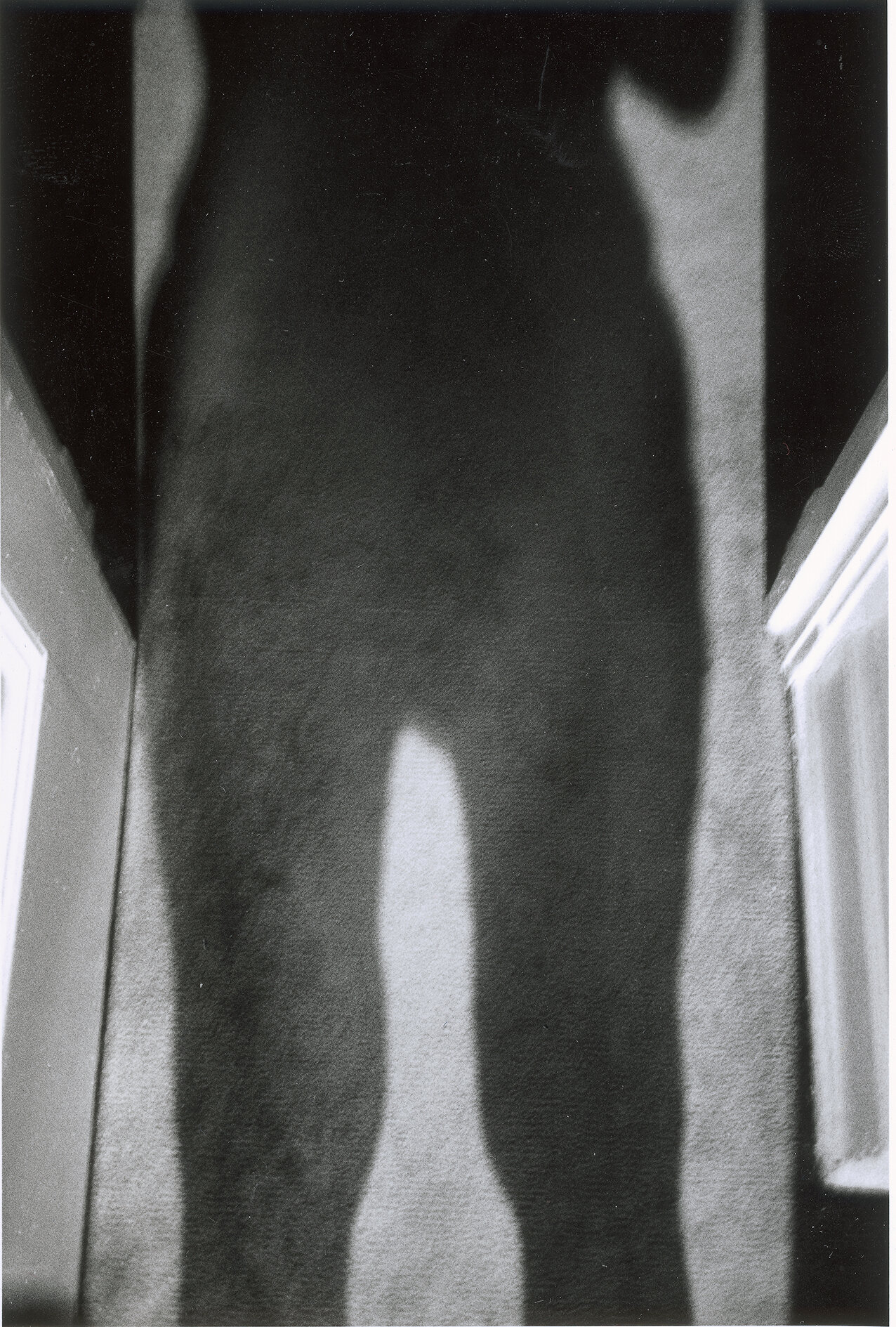
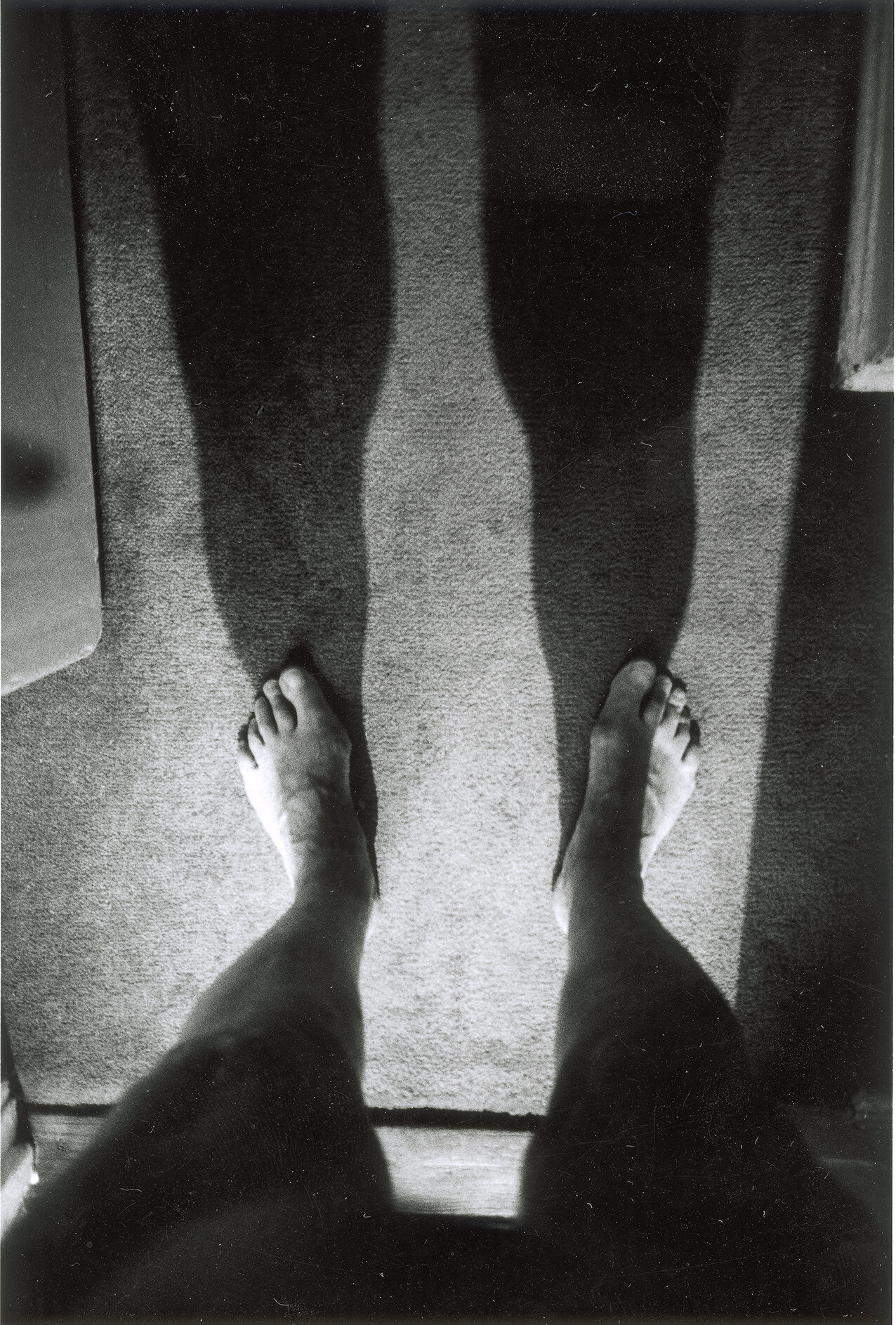
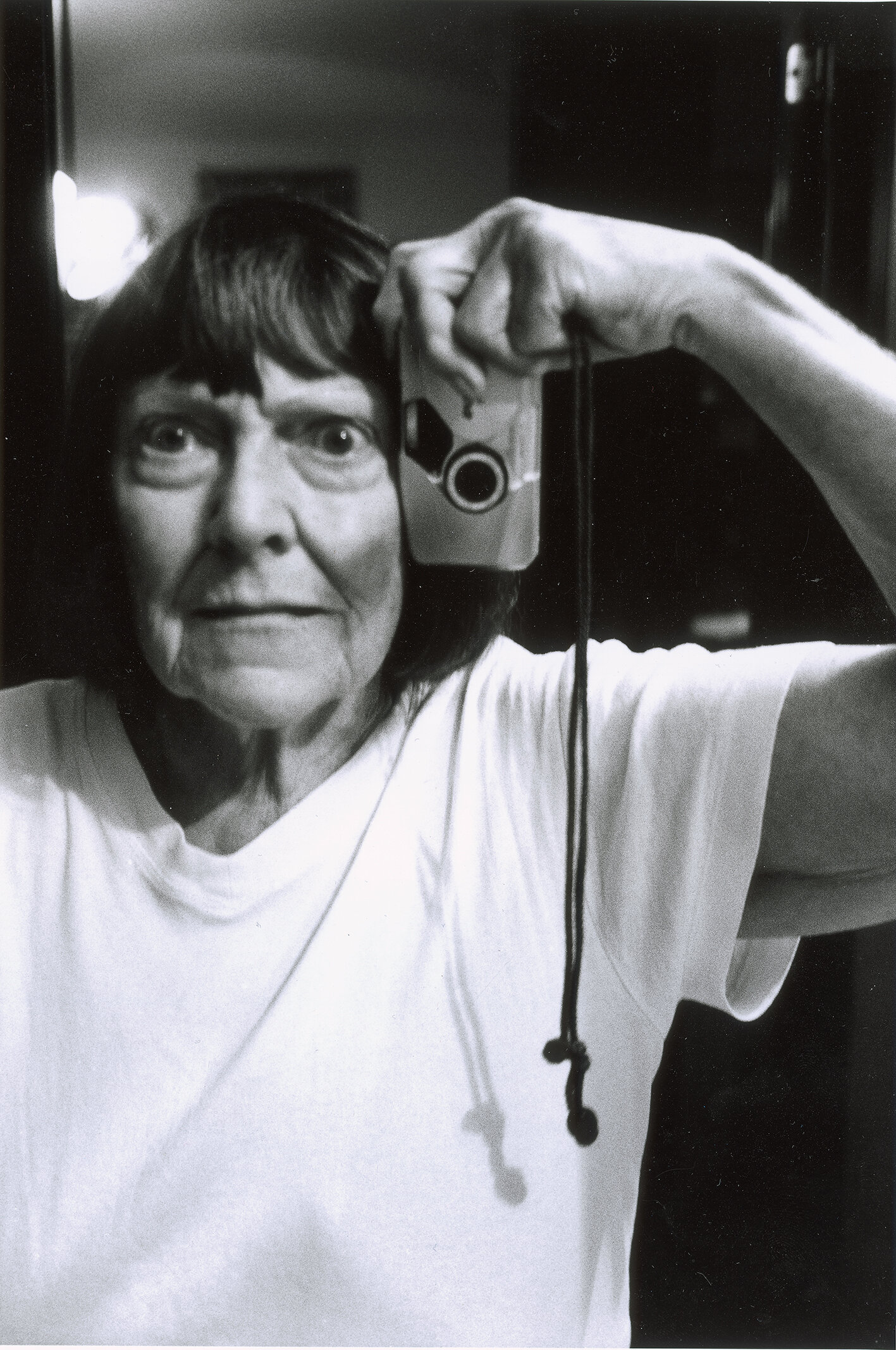
“Mirror, mirror on the wall—how am I doing as night-time falls? There she was again, posing before the mirror with her small camera in her right hand, her body firm, and as always this very same determined gaze, bursting into an unspoken stream of creative strength.

EYEMAZING: How were these self-portraits born?

Alice Springs: They were never meant to be a project, just a series of reflections of what I saw on the way to bed after dinner at the Chateau Marmont early this year. I never know when I’m going to photograph myself. It mostly happens when I’m cleaning my teeth or taking off my make-up in front of the mirror before going to bed, or even sometimes after surgery when I am wearing a tube that is for collecting my blood on the night following a face-lift.

EYEMAZING: What makes one a good photographer?

Alice Springs: Good photographer…Many are called, few are chosen.

EYEMAZING: Which do you consider is the best photograph you have ever taken?

Alice Springs: Graham Greene, simply because it was the only portrait of mine that Helmut was ever jealous of. But, the most beautiful portrait I’ve ever taken must be the one of Helmut on his deathbed. Who will photograph me on mine?

Extract from a ten pages article interview with June Newton that was published in EYEMAZING spring issue 2008.

©All pictures: Alice Springs/June Newton

Hector Olguin

April 1, 2021 EYEMAZING
héctor_olguin_13.jpg

Photographs from Hector Olguin’s are immediately striking: on each picture, the body of a man or a woman, often in motion, sensual and/or mysterious, emerges more or less neatly from an explosion of vivid and contrasted colours. Blurriness, superimpositions, more or less identified props, more or less apparent faces and bodies, juxtapositions and blends of vibrant colours are mesmerising for the viewer who finds it hard to grasp at the same time all the aspects of the image. The eye is alternately attracted to the luminous detail (the golden nails of a model, the pink hat of another one); busy understanding the contents of the image (the rosebud man for example); curious about the technical conditions of the making of the image (the mermaid for example); fascinated with its composition (the girl with the flower bunch), with its contrasts (between the violence of vivid colours and the delicate quality of the gossamer textures), with the quantity of information it has to process (the model with fishnet stockings is a case in point). Torn between fascination and an effort to analyse the image, between passivity and activity, the viewer is above all destabilised by the discovery of an eccentric, even magical world.

Born in Santiago of Chile in 1970, he has lived in almost all the Latin-American countries (and had his work exhibited in Chile, Ecuador and Guatemala). In 2002, he moved to Paris. In France, he showed his work at the Palais de Tokyo (Hype Gallery project), in Nancy, during the 14th Biennale de l’image, at the Galerie Octobre, at the musée de Soues, and in the South of France at the Galerie Confluences in Nantes. He also lived and worked in Porto, Portugal, where he was offered a residency at the Palacio das Artes.

Text by Celine Mansati

©Picture: Hector Olguin

Sally Mann

December 27, 2020 EYEMAZING
Untitled #61, 2000, ©Sally Mann, courtesy Gagosian Gallery New York, Jackson Fine Art Atlanta

Untitled #61, 2000, ©Sally Mann, courtesy Gagosian Gallery New York, Jackson Fine Art Atlanta

Sally Mann’s What Remains, is a multi-part series exploring the ineffable questions surrounding death, decay, mortality, and spirit. What Remains was also the launching point of a remarkable film by the same name, a documentary about Mann and her work made by Steven Cantor. The film chronicles the development of Mann’s What Remains body of work, following the artist from her studio to the outside environment and even to her research at a forensic studies site. Through intimate conversations about her life’s work, her family, and the craft of collodion printing, Mann provides insight to her thought process and artistic intuition. In the film Mann describes how her love for a dearly departed dog led her to a deep consideration of the relationship between spirit and physicality. From this experience she moved forward with several photographic projects that became What Remains, a visual stream of associations and provocations aimed at capturing a fleeting glimpse of life’s essence.

Text by Heather Snider

William Wegman

December 2, 2020 EYEMAZING
Untitled (Three Legged Dog), 1974, gelatin silver print, collection Kunstmuseum Den Haag © William Wegman. Courtesy of the artist.

Untitled (Three Legged Dog), 1974, gelatin silver print, collection Kunstmuseum Den Haag © William Wegman. Courtesy of the artist.

Fotomuseum The Hague,

Being Human by William Wegman

Through 03-01-2021

American William Wegman (b. 1943) started photographing his Weimaraner dog in the 1970s, knowing that this breed enjoyed the act of posing and dressing up. After posing in front of Wegman’s camera, Man Ray, (named after the artist), the conceptual photographer decided to make his devoted hound the subject of his studio work. Here we see not only Man Ray but his descendants, Fay Wray, Candy and other Weimaraners, all patiently sitting or standing in perfectly aligned poses. Moving from the succulent, dense indigos and vermilions of his giant polaroids to the intense colour digital prints, there is an easy transition from the verisimilitude of the analogue to the immediacy of the digital. The melancholy eyes, the unsmiling forbearance of the perfectly groomed hound, lends a sombre, reflective quality to these animal portraits. Drawing on the curious and almost unbelievable tendencies of Surrealism, we see a huge print of a hound standing on three cubes, his or her paws poised on the black, grey and white edifices, (Contact 2014). Accessible, reassuring, playful and surprising, these images are reliant on the innovation of new, unexpected poses. But Wegman’s inventiveness is unbounded. It is not only the spectacular at play, here, however. The moments when his photos were most touching were when the dog's paws could be seen peeping through a dress as he or she sat on a chair, perhaps with a skirt or dress hanging below. Many of these images could illustrate the arguments in Camera Lucida; it wasn't artifice that generated Roland Barthes’s 'punctum' but the incidental (or maybe semi-planned) signs of how the images were made that invited a fond gaze. And this is very much in evidence in this retrospective. Some of the images are like a sleight of hand, especially the shot of a dog balanced in midair as if suspended in time. Other outfits are not only the epitome of Barthes’s ‘punctum’, they are also humorous, with one hound wearing a brightly coloured wig, a dress while her thin, grey, elegant dog legs stick out from under a hem.

The balance between the absurd and the benign, the intimate and the ludicrous, the playful and the serious, make these works so much more than a game of dressing up and make-believe. Despite many of the images being well known or easy to find in books, there were many surprises. Shot over many decades, they reveal an innocent, imaginative working friendship between an animal and a human. The sense of dedication and longevity of this project - a lifelong relationship with an idea - makes these series seem as treasured as a marriage. Although different dogs are photographed by Wegman (this breed is renowned for enjoying the theatre of dressing up and posing), there is a sense of quiet, unrestrained continuity. These shots are so much more than poster displays of the dressed-up dog found on social media. They are reverential, fused with a subdued respect for Man Ray and his many descendants who have all been this devoted photographer's calm, patient collaborators.

The Hague Museum of Photography worked in collaboration with renowned guest curator William A. Ewing and the Foundation for the Exhibition of Photography (FEP) to enable this exhibition to take place

Text by Siobhan Wall 2020

Sebastiaan Bremer

November 21, 2020 EYEMAZING
©Sebastiaan Bremer, Esculturas Liquidas, 30x40”, acrylic paint and pen on archival pigment print.

©Sebastiaan Bremer, Esculturas Liquidas, 30x40”, acrylic paint and pen on archival pigment print.

Já estava assim quando eu cheguei, Group exhibition

Curated by Frederik Schampers and Sebastiaan Bremer

Galerie Ron Mandos, Amsterdam

25.11.2020 - 31.01.2021

www.ronmandos.nl

The Brazilian works by Sebastiaan Bremer, included in a group exhibition at Ron Mandos gallery were started when Bremer found old slides in his father-in-law’s office. They showed the Seven Falls of Guaíra, or Sete Quedas – a submerged waterfall, which was replaced by the largest hydroelectric dam in the world. The only color of the slides which remained was orange, all the other layers of color of the slide emulsion having been erased by time, not unlike the waterfalls. The contradictions inherent in the dam project mirror the development of civilisation, in Bremer’s view; in harnessing energy to provide for themselves and their industries, human beings take away the very nurturing qualities this earth has to offer. Thus, per Bremer, the solutions of today can become the problems of tomorrow. In his work based on these images, the artist brings the falls back to life with small marks of paint and ink, and reverses history.

Inventions

October 1, 2020 EYEMAZING
5. A-LEBART Computer primordiale Sunday Times Magazine, 1920-1930.jpg
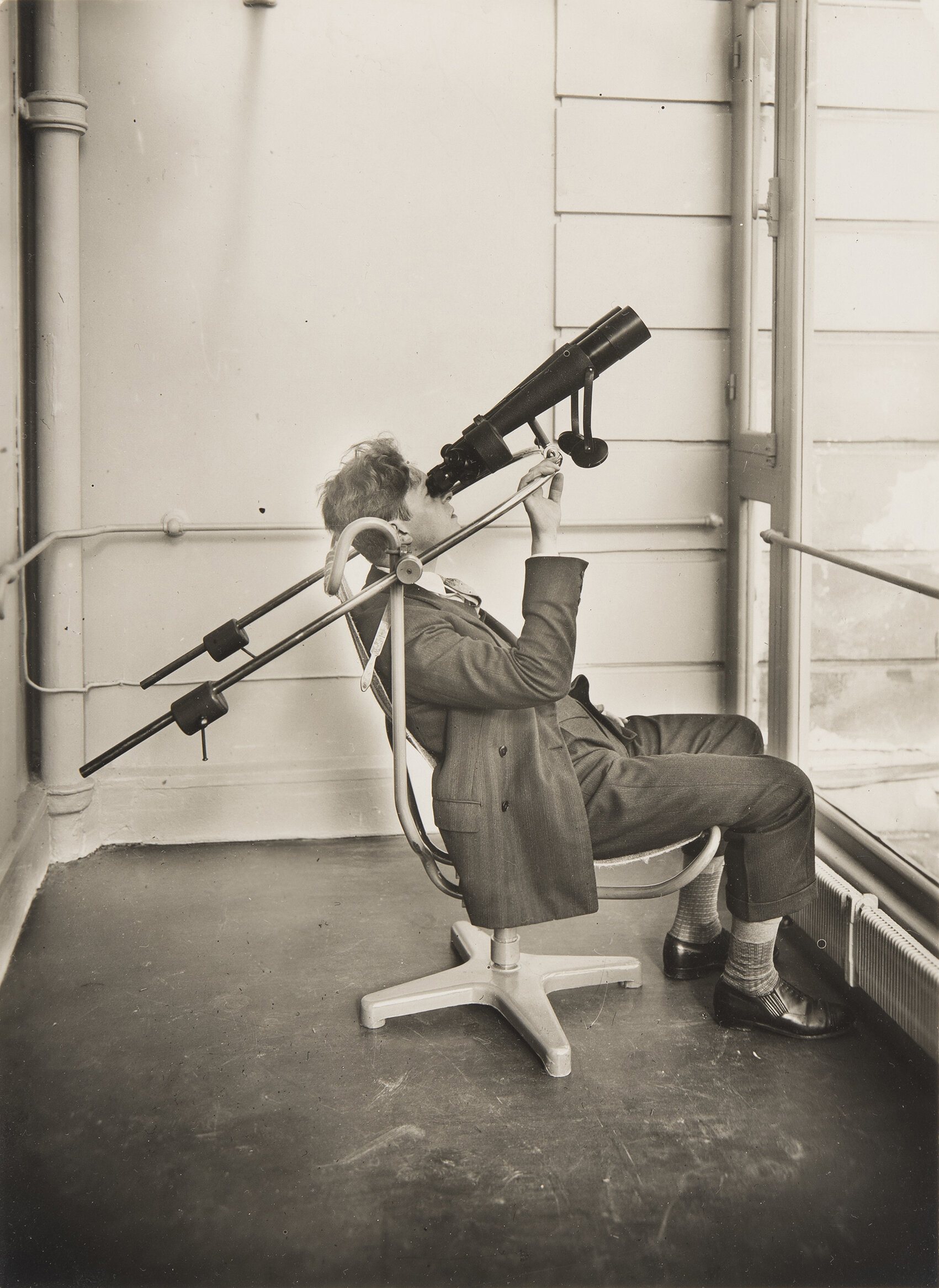
7. A-LEBART Torretta osservazione uccelli e velivoli dei Breton, 1930_ 2.jpg
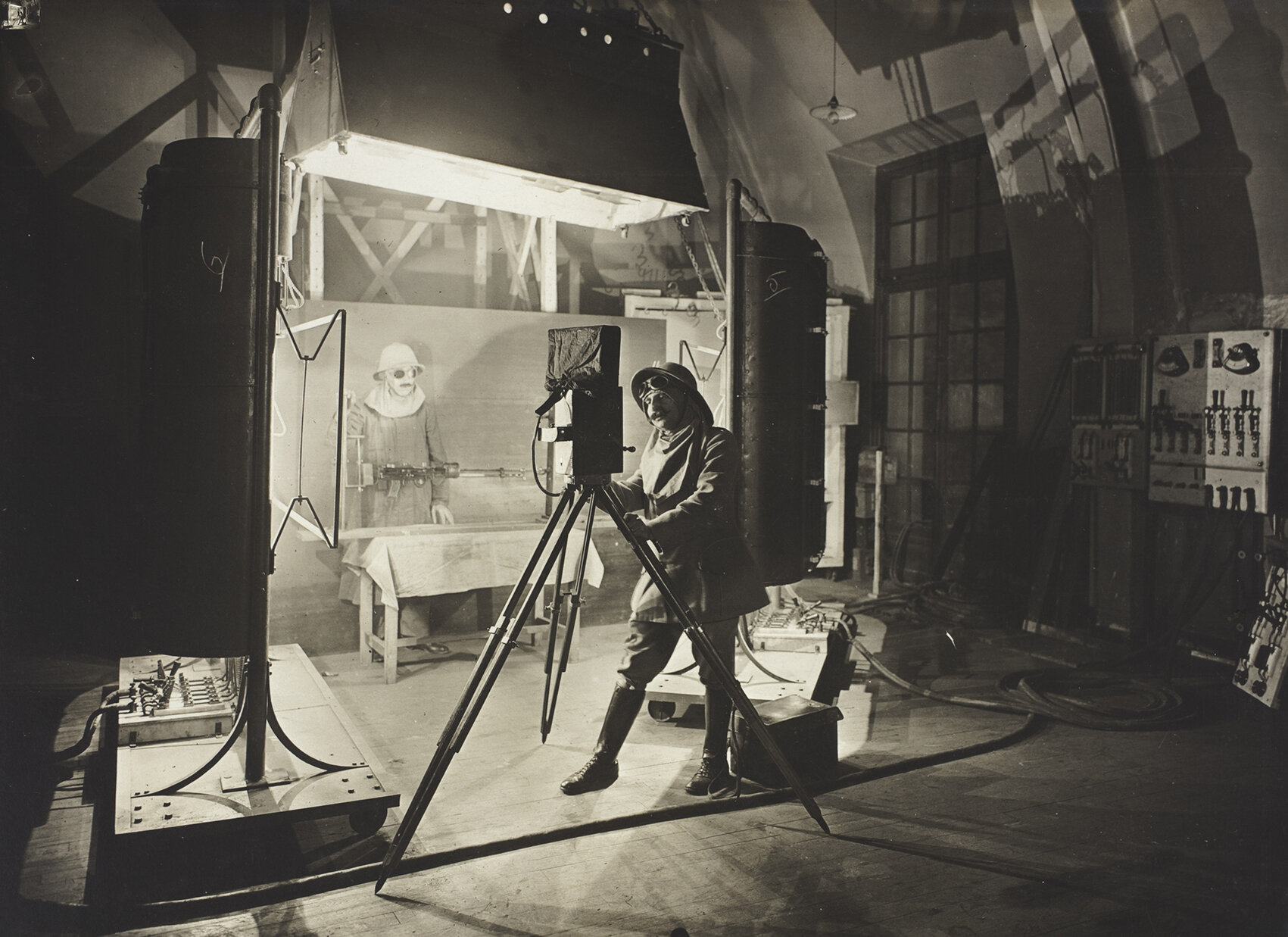
8. LEBART Lo studio come teatro di posa, 1917-1918.jpg
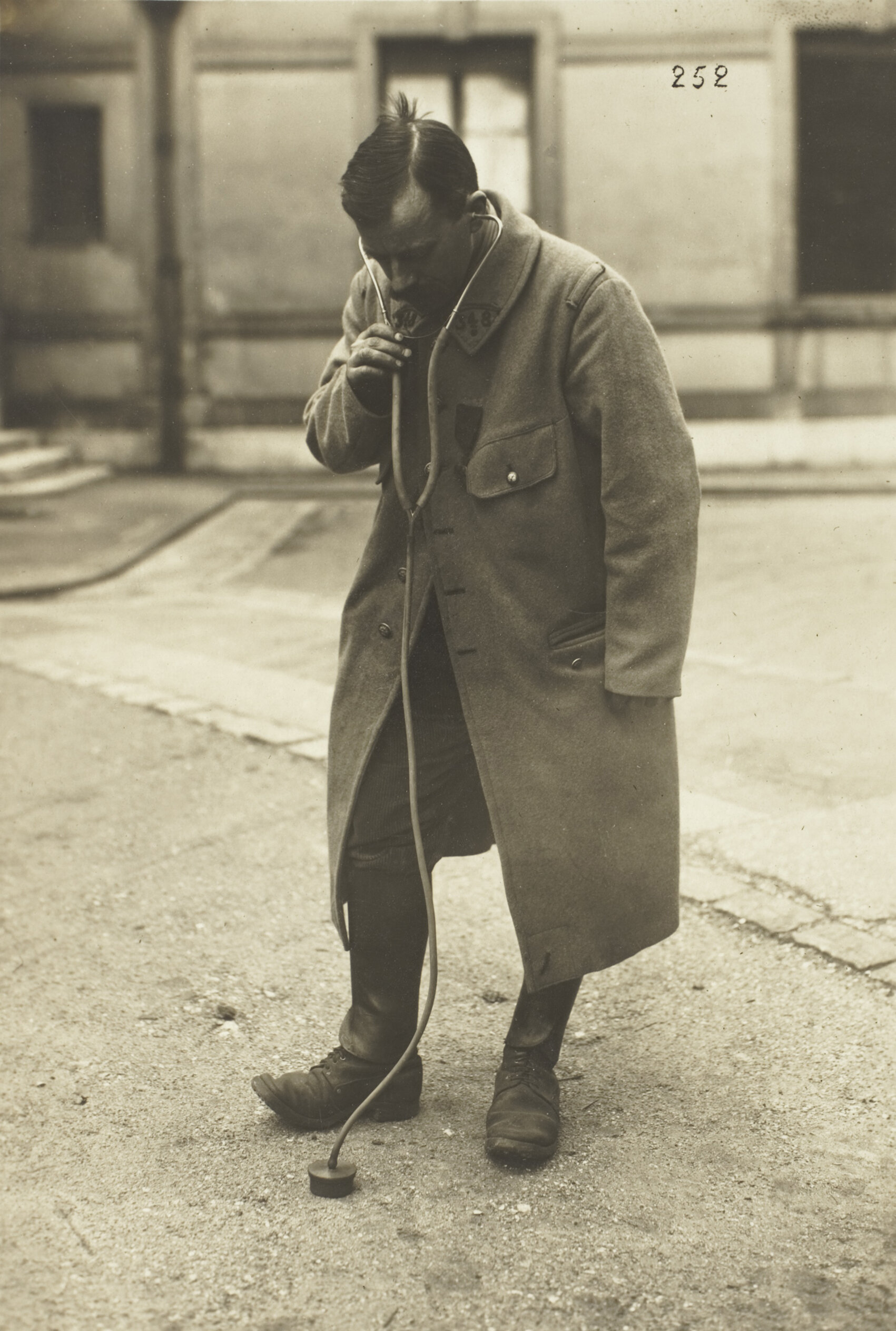
15. LEBART_Dispositivo di ascolto.jpg
5. A-LEBART Computer primordiale Sunday Times Magazine, 1920-1930.jpg 7. A-LEBART Torretta osservazione uccelli e velivoli dei Breton, 1930_ 2.jpg 8. LEBART Lo studio come teatro di posa, 1917-1918.jpg 15. LEBART_Dispositivo di ascolto.jpg

Inventions, exhibition 

Curated by di Luce Lebart in collaboration with Urs Stahel

October 8, 2020 - January 3, 2020

Fondazione MAST, Bologna, Italy

www.mast.org

The exhibition “Inventions” curated by di Luce Lebart in collaboration with Urs Stahel, shows photographs of the most ingenious and surprising inventions taken for the collections of Archive of Modern Conflict (London) and Archives Nationales (France).These many inventions were produced and photographed in France between the two World Wars at the Office of Inventions on the initiative of Jules-Louis Breton, Director of Inventions.

Luce Lebart is a photography historian, curator and researcher at Archive of Modern Conflict in London.

Urs Stahel is a writer, lecturer and curator of Mast in Bologna, he is the co-founder of Fotomuseum Winterthur and President of Spectrum in Switzerland.

MAST Foundation is an international cultural and philanthropic institution that focuses on art, technology and innovation.

All images are sourced from the Archives nationales, France, and Archive of Modern Conflict, London 

*1-Studio as stage set, 1917-1918, gelatin silver print, National Archives, France, 398AP/61

*2-Tower for bird and airplane watching by Jules-Louis Breton and Paul Breton, 10/10/1930, gelatin silver print, National Archives, France, 398AP/27

*3-Early Computer, image published in the Sunday Times Magazine, gelatin silver print, circa 1920-1930, Collection Archive of Modern Conflict, London

*4-Listening device for ground surveillance, 1917-1918 Stampa ai sali d’argento / Gelatin silver print Archives nationales, Francia / France 398AP/42

Sergey Bykov

September 2, 2020 EYEMAZING
web-IN A COMMON LANGUAGE WITH MONKS (SIZED).jpg
web-A HEROINE WITH A THOUSAND FACES (SIZED).jpg
web-THAT THAT PRECEDES ATTENTION (SIZED).jpg
web-IN A COMMON LANGUAGE WITH MONKS (SIZED).jpg web-A HEROINE WITH A THOUSAND FACES (SIZED).jpg web-THAT THAT PRECEDES ATTENTION (SIZED).jpg

I was born in July 1967 in Kuibyshev, Russia and grew up in a small town up in the south of Ural Mountains. My parents were both construction engineers. 

In 1987, I graduated mechanical college and moved to the North, Tyumen region where for around two years I worked as engineer-designer in a company that repaired equipment for the oil industry. 

In 1989, I moved to Saint-Petersburg, started studying at the Railways Academy.In 1998 I started studying family psychology in the Academy of Culture of S-Petersburg. 

In 1999, I decided to move abroad. A chain of accidents brought me first to Brussels and soon after to Oostende, Belgium, where I studied Dutch and followed course of “Film and Video Kunst” in Kunst Academie, Oostende. 

In 2001, I was offered a job as a cook in a vegetarian restaurant in Gent. I moved again and worked during the days, while during the evenings I studied photography in Sint-Lucas Academy, Gent. 

Four years of the formal studies of photography didn’t really bring me closer to what I was looking for. Following my personal search at the end of the second school year (during the summer of 2003) I took part in the workshop of Michael Ackerman at TPW, Italy. There I found something that reanimated in me the hope to find the way of belonging to the time around me with the help of photography. 

The first thing I was intensely busy with after meeting Ackerman was my polaroid self-portraits, trying to capture directly what I felt rather then translating it through what i saw, to understand myself better by observing the states of my own being, to create the mystery out of my daily routine, to alter the truth … During the next two years it grew into 44 polaroid portraits that were exposed in the year 2007 at the “Month of Photography” in Krakow. At the same time I was working on other long-term project “Après Nous” collection of portraits of people I met on my way: relatives, loves, friends, colleagues I used to work with, places I visited. Not relaying on objectivity, documentary-ness and chronological order I tried to re-create my direct experience of facing the reality around me, as brought back from the past by the waves of my memory, as chain of flashes of bright, meaningful moments. 

Text By Sergey Bykov

All images ©Sergey Bykov * image1: In a Common Language with Monks, 2007 * image2:The Heroine With A Thousand Faces, 2006 * image3: That That Precedes Attention, 2009

James Whitlow Delano

August 9, 2020 EYEMAZING
Delano_Rainforest_Sentinels_001.jpg Delano_Rainforest_Sentinels_002.jpg

Rainforest Sentinels  

“The spirits of their dead inhabit the giant trees. To cut down these trees would be to kill the vessel that harbors the souls of ancestors”. Christopher Achobang, Cameroonian environmentalist

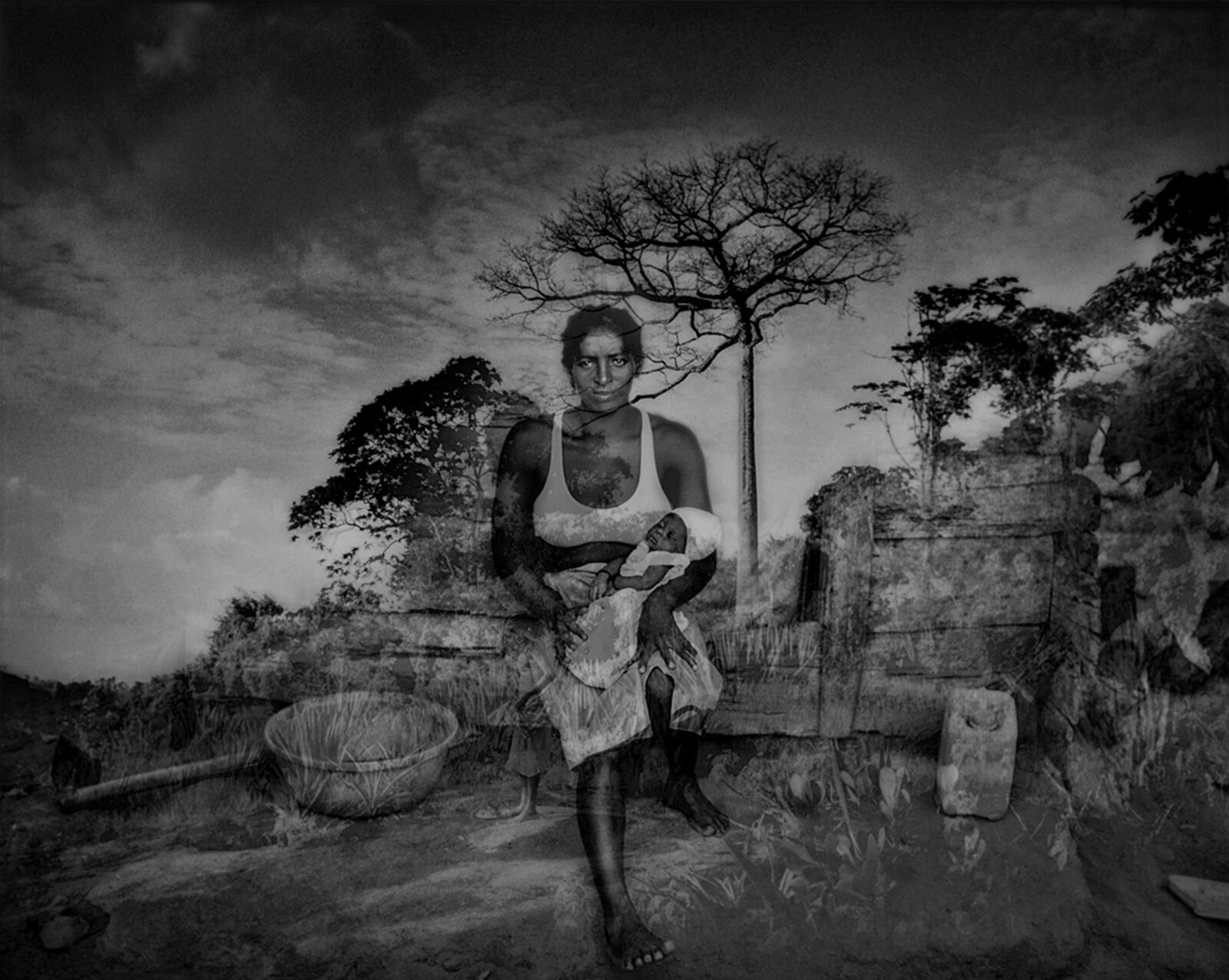
Rainforest dwellers see things in the forest we do not. The forest speaks to them.  Its odors reveal a hidden presence, bird calls can contain subtle but clear warnings if you understand the language, a sudden breeze under the canopy may foreshadow a coming storm, mud tunnels of termites snaking up the trunk of a forest giant foretell the danger of collapse and deep silence can signal the proximity to a tiger. Forest hunters redefine stillness, hardly a breath, nothing but eyes moving, patiently watching, listening.  

This series explores concealed histories, unseen events in equatorial rainforests from three continents - their mysticism and hard reality.   Now, to a person, the cultural identities of the Rainforest Sentinels represented in this collection are as threatened as their ancestral rainforest homelands, by corrupt, unregulated resource extraction, feeding our global consumer appetite.

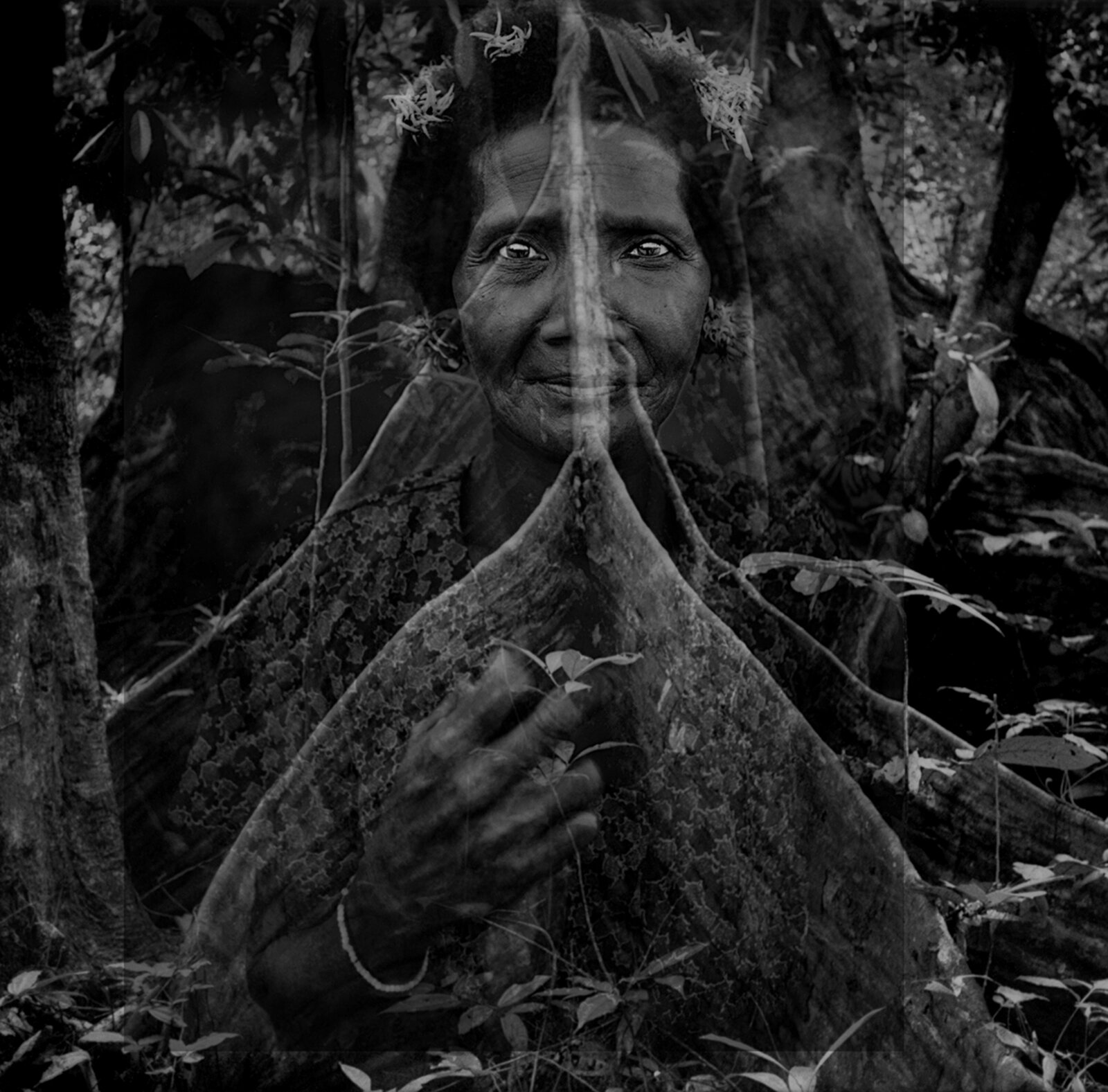
Image 1: ©James Whitlow Delano, Rainforest Guardian, Kuala Koh, Malaysia, Som, a Batek woman, fresh-picked flowers from the rainforest in her hair, emerges from the buttressed roots of an old growth rainforest tree. Image 2: ©James Whitlow Delano, Madonna of Djumu, Suriname, Saamaka Maroon mother with her newborn child embraced by the branches of a Kan-Kan tree, sacred to the Saamaka Maroon people. Djumu, Boven Suriname. 

www.jameswhitlowdelano.com

Stephane Graff

July 2, 2020 EYEMAZING
Louvre Diptych by Stephane Graff

Louvre Diptych by Stephane Graff

Inspiration-Contemporary Art & Classics

31st July - 20th September 2020

Ateneum Museum Kaivokatu 2, FI-00100 Helsinki, Finland

‘Louvre Diptych’, a photographic work by Stephane Graff is featured at the Ateneum Museum this summer as part of  the exhibition 'Inspiration - Contemporary Art & Classics'. The show addresses the formation of art history through certain key images reused and reinterpreted by artists today. 

Participating artists include: Jeff Koons, Kiki Smith, John Currin, Glen Brown, Jake & Dinos Chapman, Marc Quinn, Marina Abramović, Paul Benney, Hynek Martinek, Yinka Shonibare and Mat Collishaw, amongst others.  

This exhibition was originally on show at the National museum in Stockholm in spring 2020, and its main curators were Susanna Pettersson and James Putnam. At the Ateneum Art Museum, the exhibition is curated by the museum director, Marja Sakari, and the chief curator, Sointu Fritze. 

Kiyotaka Hamamura

June 11, 2020 EYEMAZING
EYEMAZING Kiyotaka Hamamura.jpg

©Kiyotaka Hamamura

Hamamura was born and grew up on a solitary island in Japan. He graduated from Bunka College of Fashion in Tokyo. When he started taking photos, he moved to London for a year, where he took many pictures of party people in East London. Now he lives and works in New York. He tells EYEMAZING, in his own words, about his images:

I was born in Japan. While living in London I began photographing. My first subjects were club kids, especially the gay and lesbian regulars of the nightclub scene. They shine the most when going out.They are dressed up so that their real selves bloom. And it’s as if they are Hollywood players. They are alive in these clubs, more than at any other time. I was charmed by their energy, and was inspired to take their portraits. After I left London, I came to New York. (I live in NY now.) My interest is in photographing a person and a time. However beautiful it may be as a picture, a photograph that evokes neither a time nor nostalgia does not strike the right chord with me. I also have a concept in mind when I take a photograph. I am recording interesting people who have character. I think that I want those who see my work to always feel a time and nostalgia from my photograph. It is said of a photograph with depth that it’s meaning emerges more and more, even over 10 years or 20 years. I regard a photo as maturing in the same way as a body maturing; time flows between its setting and the world. The progress of time can touch a person’s heart. A movement or motion of the heart is a hot thing, a pleasant thing. Each feeling becomes the past as a recollection, and that’s how nostalgia is born. My photography leaves an impression of a time and strives to value the sentimental, melancholic feelings that simultaneously come into view. It is the current of the times that have happened around me. It is the present.

Text By Kiyotaka Hamamura

← Newer Posts Older Posts →

Powered by Squarespace